







How Does a Plastic Bottle Sorting Machine Improve PET Recycling?
Release time: 2026-09-04
Table of Contents
PET bottle recycling is not simply a matter of picking bottles out of a waste stream. Real recycling lines handle bottles with different colors, materials, sizes and contamination levels, while labels, caps and other non-PET components add further complexity.
This is where a Plastic Bottle Sorting Machine becomes valuable. By combining automated optical detection, intelligent classification and high-speed separation, modern sorting systems can identify target bottles within mixed streams and improve processing efficiency, material purity and production consistency.
What Is a Plastic Bottle Sorting Machine?
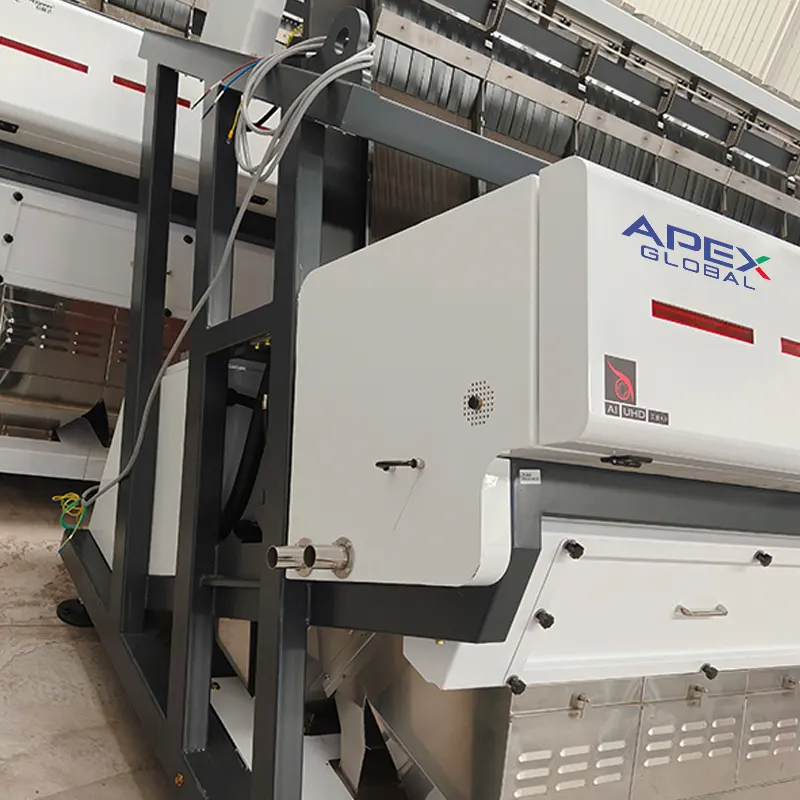
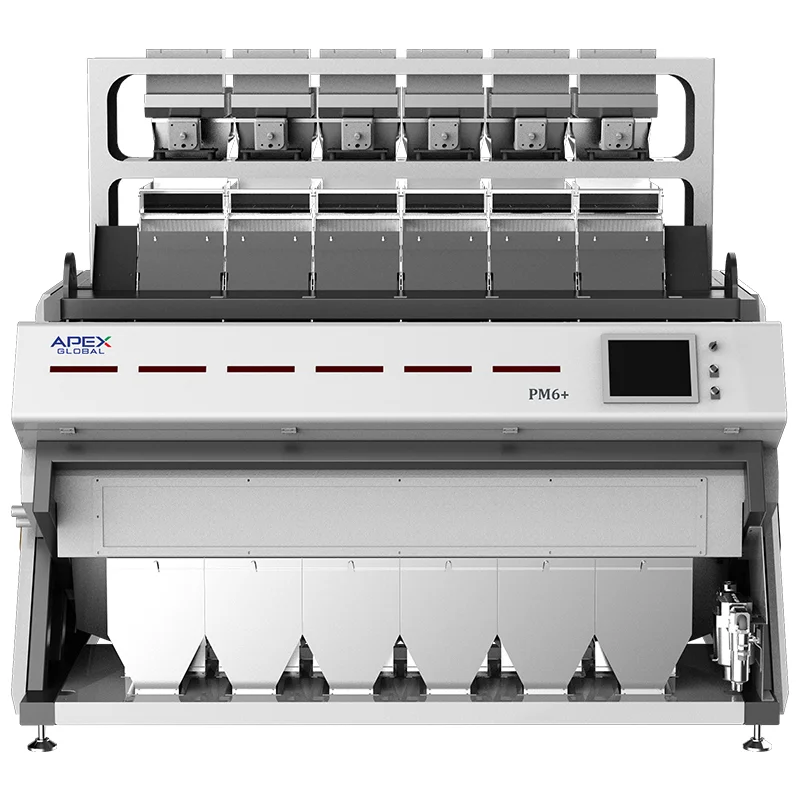
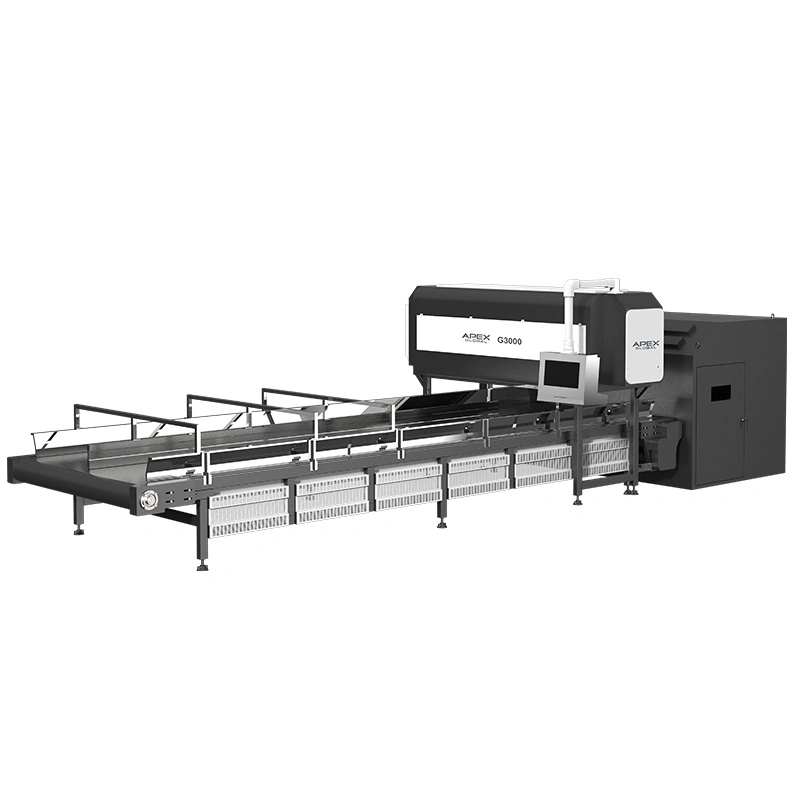
A Plastic Bottle Sorting Machine is an automated sorting system designed to identify and separate plastic bottles according to characteristics such as material type, color, shape and other detectable features.
In a typical plastic recycling line, bottles travel through a conveyor into a detection zone. Optical sensors and machine vision systems collect information about the incoming material. Software then classifies the detected objects, while a high-speed ejection system directs target and reject materials into separate streams.
The process can be summarized as:
Bottle Feeding → Optical Detection → Classification → Automatic Ejection
Unlike manual sorting, automated equipment can process a continuous bottle stream at industrial speed while applying consistent sorting rules.
Why Is Bottle Sorting Important in PET Recycling?
One of the central challenges in PET recycling is maintaining a sufficiently clean product stream.
If large amounts of unwanted materials enter the PET stream, they can increase the burden on downstream washing, crushing and reprocessing operations.
Common unwanted materials include:
- HDPE or PP containers
- Non-target colored bottles
- Labels and packaging materials
- Foreign objects
- Contaminated bottles
- Non-bottle plastics
For recyclers, the objective is not simply to remove as much material as possible. The real goal is to balance purity, recovery and throughput.
How Does Automated Bottle Sorting Work?
1. Stable Material Feeding
Plastic bottles first need to enter the conveyor system in a relatively stable and separated flow.
When bottles overlap heavily, the detection system has less useful surface information to analyze. Conveyor conditions and material presentation can therefore have a direct impact on sorting performance.
2. Optical Detection
As bottles pass through the detection zone, cameras and optical sensors continuously collect information.
Depending on the machine configuration, the system may evaluate:
- Bottle color
- Shape
- Surface appearance
- Material characteristics
- Visible contamination
This stage determines what the system can detect.
3. Intelligent Classification
Software analyzes the detected information and determines whether each object belongs to the target product stream or should be rejected.
For example, a recycling plant may define:
Target: PET bottles
Reject: Non-PET bottles and contaminants
The actual classification strategy should reflect the composition of the feedstock and the specifications of the final recycled material.
4. High-Speed Ejection
Once an object has been classified, the sorting system must execute the separation quickly and accurately.
High-speed air ejection or other automated mechanisms can direct target and reject materials toward different outlets.
This means industrial sorting performance depends on the synchronization of:
Detection + Software + Ejection
What Makes PET Bottle Sorting Difficult?
PET bottle recycling becomes much more complicated when the system moves from controlled samples to real waste streams.
Mixed Colors
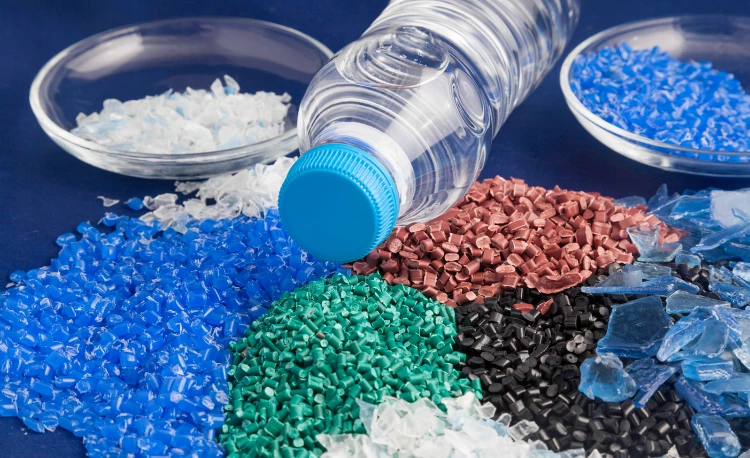
PET bottles can be clear, blue, green or other colors.
When the recycling process requires color-based separation, visible optical detection becomes an important part of the sorting strategy.
Different Materials
A bottle stream may contain PET, HDPE, PP and other polymers.
Because some materials can look similar, relying on a single visual characteristic may not provide reliable material identification.
Labels and Caps
Bottle labels and caps may be made from different materials.
They can affect product purity and may also cover part of the bottle surface, reducing the information available to optical sensors.
Contamination
Liquid residues, dust, oils and other contaminants can also affect detection.
For this reason, sorting performance should be evaluated using representative production material rather than idealized laboratory samples alone.
How Does Bottle Sorting Improve PET Recycling Efficiency?
Automated bottle sorting can improve recycling operations in several ways.
Higher Throughput
Industrial sorting machines can continuously process bottles moving through a conveyor, making them more suitable for high-volume recycling operations than manual inspection.
More Consistent Sorting
Manual sorting can be affected by operator fatigue, attention and experience.
Automated systems apply predefined detection and ejection rules consistently, reducing some of the variability associated with manual decisions.
Better Material Purity
Removing unwanted bottles and contaminants before downstream processing can reduce the amount of non-target material entering the PET recovery stream.
Reduced Manual Labor
Automation can handle repetitive identification and rejection tasks, allowing operators to focus more on monitoring, quality control and exception handling.
Plastic Bottle Sorting vs. Manual Sorting
The choice is not simply about whether machines are “better” than people. The two approaches suit different operating conditions.
| Factor | Manual Sorting | Automated Bottle Sorting |
|---|---|---|
| Processing speed | Limited | High |
| Sorting consistency | Operator-dependent | More consistent |
| Labor requirement | High | Lower |
| Continuous operation | Labor-limited | Well suited |
| Complex visual inspection | Human-dependent | Sensor-dependent |
| High-volume recycling | Less suitable | More suitable |
| Data-based optimization | Limited | More adaptable |
Manual sorting can still make sense for small-scale, low-speed or highly variable operations.
For continuous industrial PET recycling, however, an automated Plastic Bottle Sorting Machine generally provides greater scalability.
Can a Plastic Bottle Sorting Machine Identify PET?
Yes, but identifying PET and sorting PET by color are two different tasks.
If the objective is to determine polymer type, the system needs an appropriate material-identification technology, such as NIR spectroscopy.
If the objective is to separate clear PET, green PET, blue PET and other visible categories, machine vision and color detection become more important.
A practical sorting system may therefore combine multiple sensing technologies according to the required application.
| Sorting Objective | Suitable Detection Approach |
|---|---|
| Bottle color separation | Visible optical detection |
| PET identification | NIR / material identification |
| Visible contaminants | Machine vision |
| Shape recognition | Vision system |
| Combined bottle sorting | Multi-sensor configuration |
This is why buyers should look beyond the generic term “sorting machine.”
The more important question is:
What material needs to be separated, and why?
What Should Buyers Consider Before Choosing a Bottle Sorter?
Before purchasing a Plastic Bottle Sorting Machine, buyers should clarify:
- What types of bottles are present in the feed stream?
- What percentage of the input is PET?
- What throughput is required?
- What purity level is required?
- Are the bottles mainly transparent or colored?
- How much label and cap contamination is present?
- What bottle sizes and shapes must be processed?
- Is polymer identification required?
- Can the supplier test representative samples?
- Can the machine integrate with the existing recycling line?
Sample testing is particularly important.
The same sorting system can perform differently depending on feed composition, contamination, bottle presentation and conveyor conditions. Testing actual material provides a more realistic basis for equipment selection.
If you want to learn how other global clients carried out their on‑site sample‑testing at our factory, you can read our real‑world inspection and trial‑run stories below:
Why Choose APEX Sorting for Plastic Bottle Sorting?
For PET recyclers, a useful sorting system should support the overall production objective rather than focus on a single laboratory specification.
APEX Sorting provides intelligent optical sorting solutions for plastic recycling applications, including Plastic Color Sorting, NIR Plastic Sorting and Plastic Bottle Sorting.
If your recycling line needs to identify and separate target bottles from a mixed stream, explore the APEX Sorting Plastic Bottle Sorting Machine and evaluate throughput, purity and recovery using representative material.
FAQ
What is a Plastic Bottle Sorting Machine?
A Plastic Bottle Sorting Machine is an automated system that identifies and separates plastic bottles according to material, color, shape or other detectable characteristics.
Can a bottle sorting machine separate PET from other plastics?
Yes. With suitable material-identification technology, a bottle sorting machine can separate PET from materials such as HDPE and PP.
Why is PET purity important in recycling?
Higher PET purity reduces unwanted polymers and contaminants entering downstream recycling processes and can support more consistent recycled material quality.
Can one machine sort bottles by both material and color?
Depending on the configuration, multiple optical detection technologies can be combined to identify material type and visible characteristics such as color.
What affects bottle sorting accuracy?
Material overlap, bottle size and shape, labels, contamination, surface condition, sensor configuration and conveyor presentation can all affect sorting performance.
Should I test samples before buying a bottle sorting machine?
Yes. Representative sample testing is one of the best ways to determine whether a machine can achieve the required purity, recovery and throughput under actual operating conditions.