








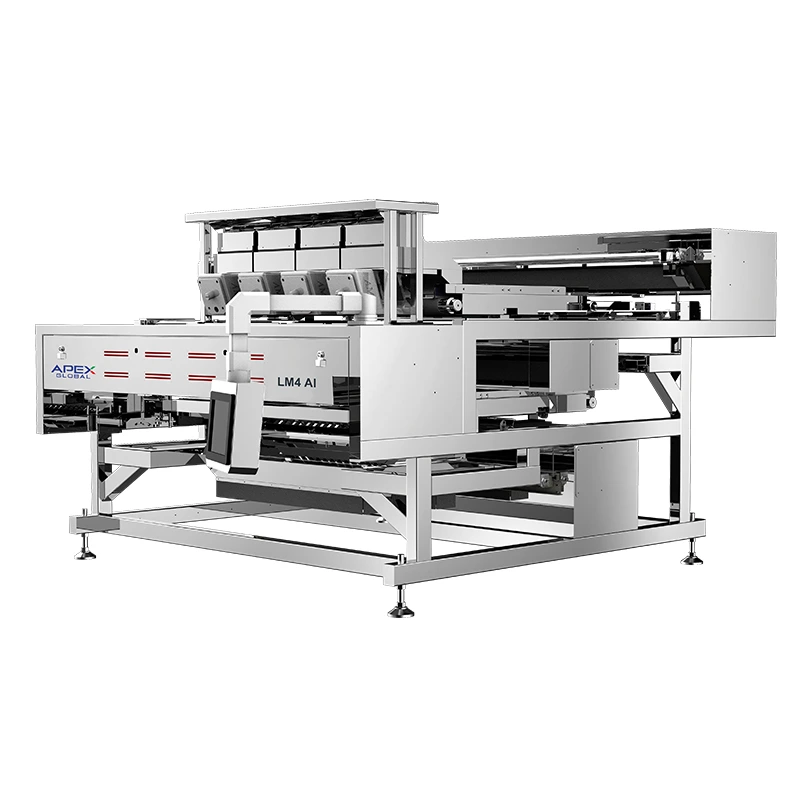
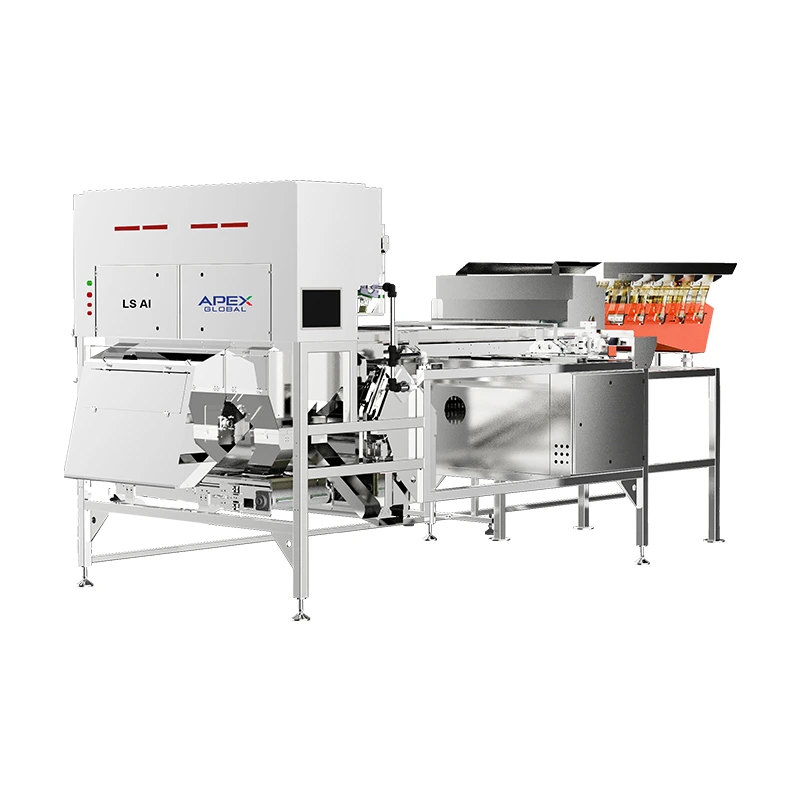
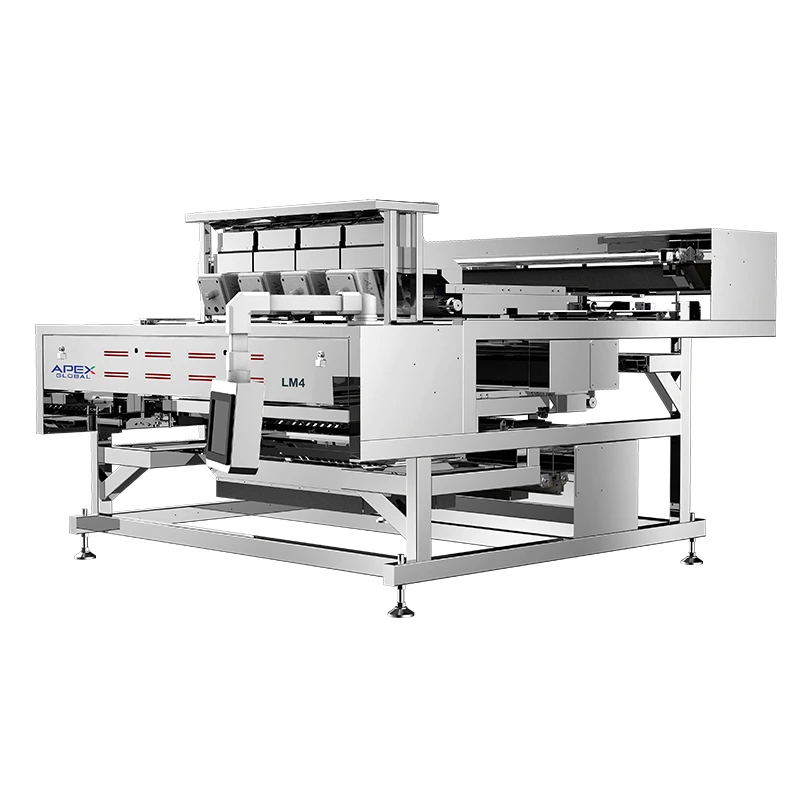
Model LM4 AI Low-Speed Intelligent Color Sorter
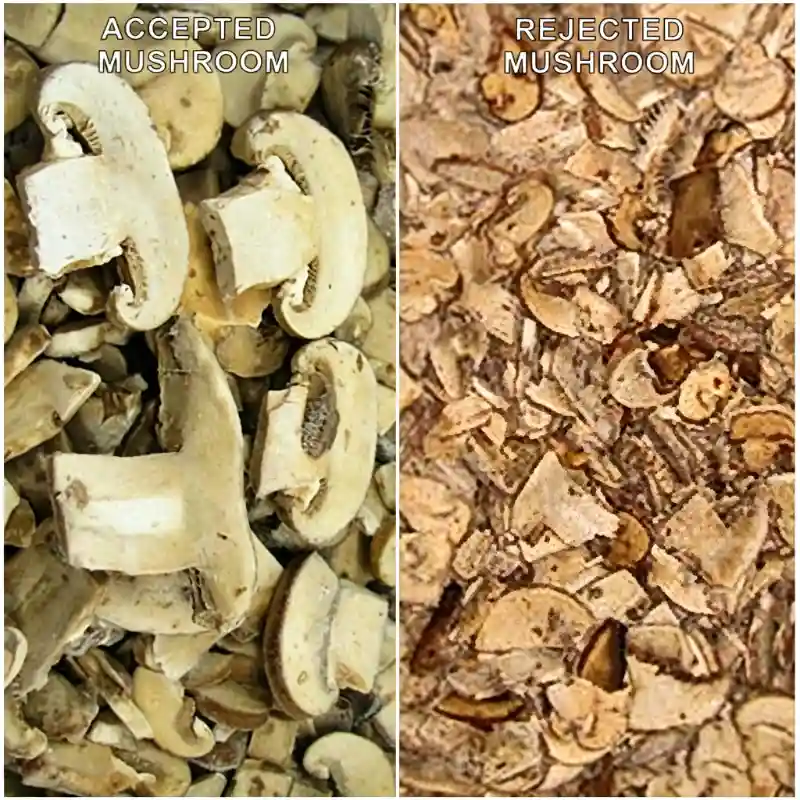
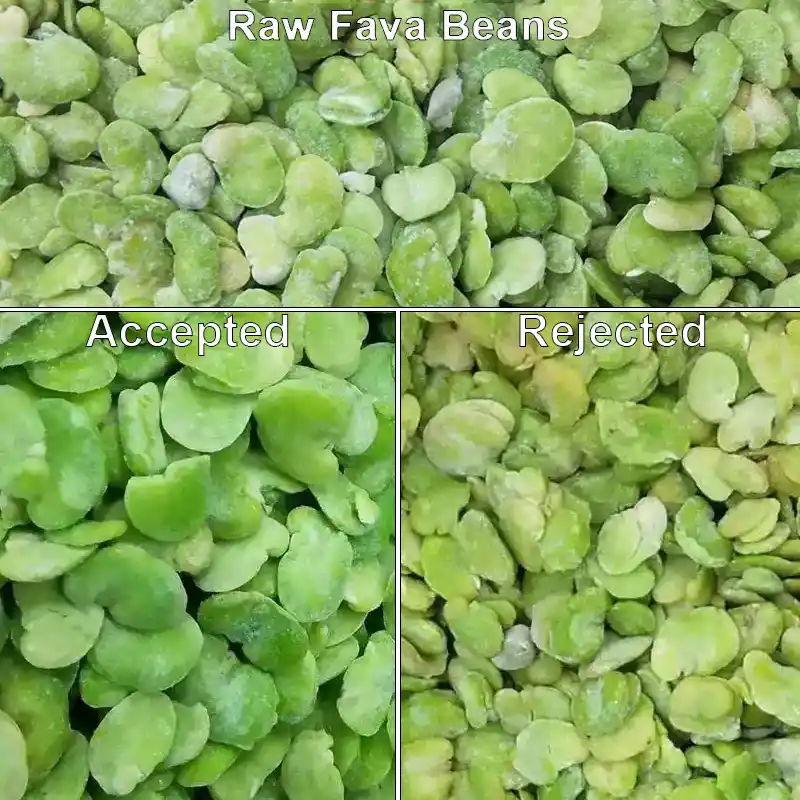
Specs & Features: Single-layer low-speed soft anti-break conveyor belt + high-definition CCD + deep learning AI algorithm, ultra-fine sorting for frozen fava beans, frozen mushrooms, dehydrated vegetables and premium fragile materials
APEX Dehydrated Vegetable Fruit Sorter With AI Belt Sorting System
Key Advantages
- Balanced Performance: Lossless Material Protection + Ultra-High Sorting Precision
- AI Ultra-Fine Screening for Hidden Invisible Defects
- Dedicated to High-End Premium Food Processing Scenarios
Products Center
Contact Us
- Phone: +86 18815515040
- Email: info@apexitec.com
- WhatsApp: +86 18815515040
- Address: No. 789 Mingchuan Road, Boyan Tech Park, Hefei, Anhui, China
Product Introduction
Features of APEX Dehydrated Vegetable Sorter
The Model LM AI low-speed intelligent color sorter is a high-end precision sorting solution customized for fragile high-value raw materials. It integrates zero-loss low-speed conveying technology with upgraded deep learning AI sorting algorithms to realize dual optimization of material integrity protection and intelligent defect identification.
1. Balanced Performance: Lossless Material Protection + Ultra-High Sorting Precision
The equipment inherits the zero-morphology-damage merit of low-speed belt transmission. Meanwhile, the embedded AI algorithm delivers industry-leading ultra-fine defect recognition capability, addressing two core production pain points simultaneously: physical breakage of fragile materials and omission of hard-to-detect subtle defects in conventional sorting equipment.
2. AI Ultra-Fine Screening for Hidden Invisible Defects
The intelligent system identifies hard-to-distinguish tiny abnormalities, including faint mold traces, micro worm lesions and uneven chromatic aberration on premium grains. It also captures micro frost damage and miniature blemishes on frozen food surfaces to accomplish full-coverage, blind-spot-free thorough purification.
3. Dedicated to High-End Premium Food Processing Scenarios
It perfectly matches the production needs of exported premium grains, specialty coffee deep processing and high-grade commercial frozen food products. The equipment continuously outputs finished materials with complete particle morphology and high purity to satisfy stringent quality requirements of high-end brands and international export inspection standards.
Working Principle of APEX Dehydrated Vegetable Sorter
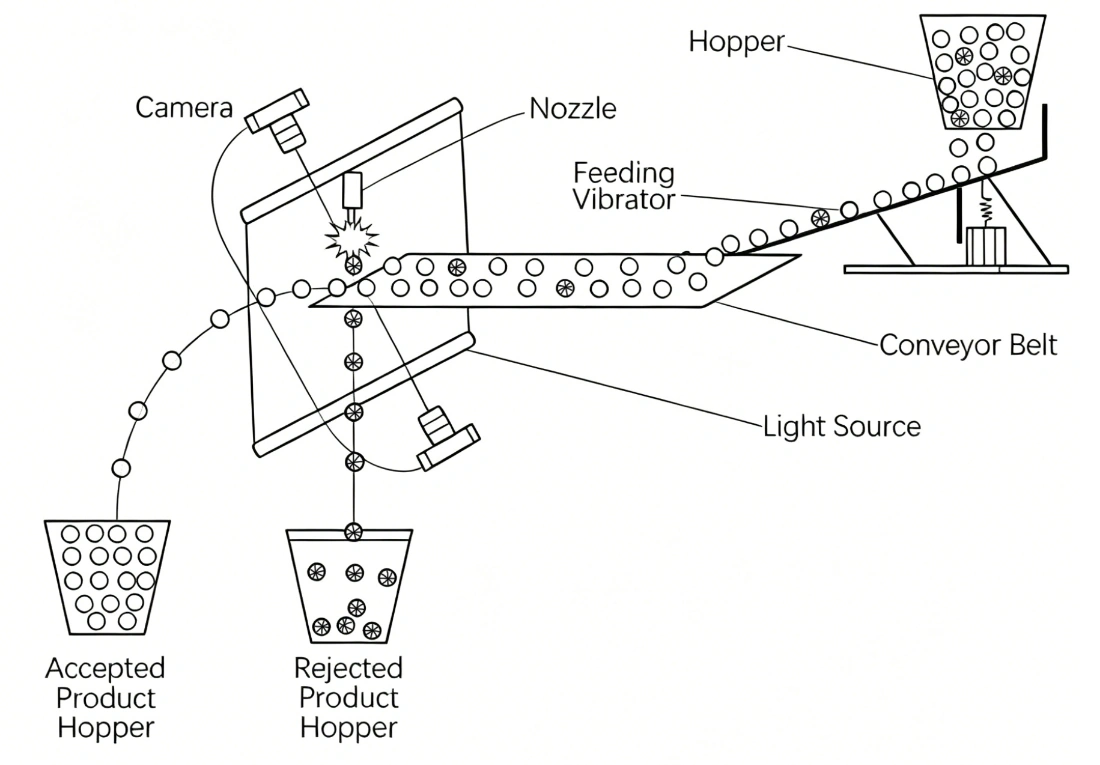
Step 1 Uniform feeding & zero-loss low-speed conveying
Raw fragile high-value materials are put into the feeding hopper. The feeding vibrator evenly arranges aggregated materials onto the special low-speed soft conveyor belt. The optimized low operating speed drastically reduces mutual collision, extrusion and frictional abrasion between particles, effectively preventing cracking, surface scratches and morphological deformation of coffee fruits, fresh berries and frozen raw materials in the conveying process.
Step 2 CCD imaging + AI deep learning collaborative detection
Materials pass through the detection station stably at low speed. The light source provides uniform and stable illumination for the high-precision camera. The camera captures the surface characteristics of each material particle completely, and transmits the image data to the built-in AI deep learning model. After continuous self-learning and feature accumulation, the AI system can accurately identify faint mold traces, micro worm damage, subtle color differences and tiny frost damage that ordinary CCD hardware is hard to capture.
Step 3 Targeted air ejection and classified collection
After the AI system locks all defective targets, the high-speed nozzle performs instantaneous accurate air blowing separation. Defective particles are blown into the rejected product hopper, while complete high-purity qualified materials fall into the accepted product hopper by gravity, completing the whole process of lossless conveying + ultra-fine intelligent sorting.
Parameters of APEX Dehydrated Vegetable Sorter
| Model | LM2+AI | LM4+AI |
| Number of Ejectors | 128 | 256 |
| Power (kW) | 3.2 | 4.2 |
| Air Pressure (Mpa) | 0.6-0.8 | 0.6-0.8 |
| Air Consumption (m³/min) | <1.8 | <3.0 |
| Weight (kg) | 950 | 1300 |
| Dimension (L×W×H, mm) | 2185×1710×1720 | 2500×1710×1720 |
Performance Comparison
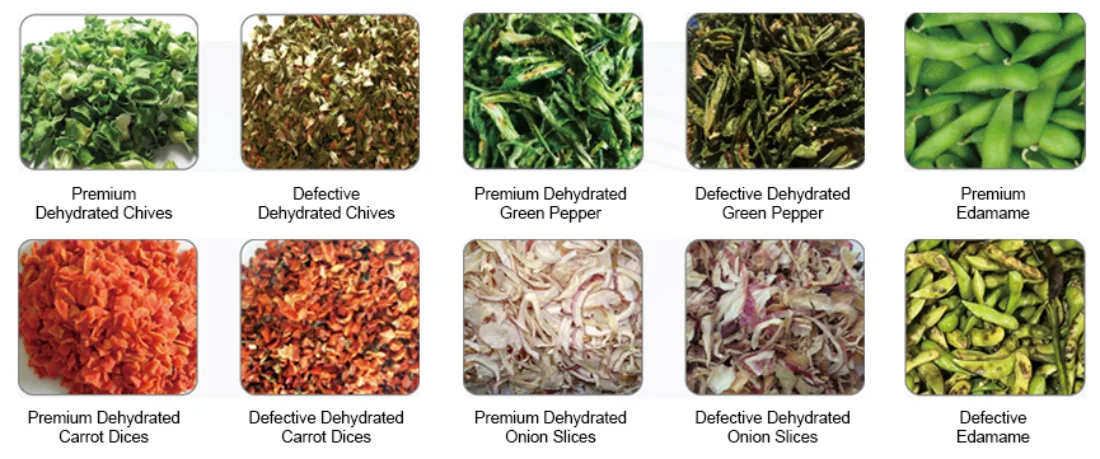
Sorting Performance for Dehydrated Vegetables & Fresh Edamame
- AI precise distinction of defective dehydrated vegetable fragments: Dehydrated vegetables feature crisp texture and are prone to fragmentation under collision and friction. LM AI inherits the low-speed lossless conveying mechanism to maintain the complete flake shape of dried chives, green peppers, carrot dices and onion slices. Supported by deep learning AI recognition, the equipment accurately screens out burnt fragments, yellow-brown discolored scraps, mildewed particles and heterogeneous sundries that are hard to distinguish with ordinary CCD equipment, unifying the color appearance and purity of finished dehydrated vegetable products for seasoning and food processing factories.
- Low-damage purification for fresh edamame: For raw fresh edamame materials, the slow-speed conveying mode effectively reduces pod breakage and peel damage. The AI algorithm locks individual edamame pods with surface mottling, dark lesions and abnormal discoloration for targeted rejection, retaining plump, uniform green high-quality edamame to meet the raw material standards of frozen edamame finished products.
LM AI combines physical material protection and intelligent micro-defect identification, solving the dual problems of vegetable breakage and incomplete impurity removal in traditional dehydrated vegetable sorting procedures, which perfectly matches the high-standard production demands of exported dehydrated food and quick-frozen vegetable products.
Applicable Sorting Materials
Built upon the mature low-speed buffer conveying platform of the base LM model, LM AI upgrades the visual identification system with self-iterative deep learning algorithms. While continuously guarding the complete morphology of fragile raw materials against extrusion, friction and impact damage, it realizes higher-precision capture of subtle surface defects that conventional CCD hardware cannot recognize, catering to stringent quality inspection demands of export-oriented deep-processed food enterprises.
- Graded purification of dehydrated vegetable fragments
Suitable for refined sorting of dehydrated chives, green pepper strips, carrot dices, onion flakes and other dried vegetable raw materials. The AI system automatically identifies scorched scraps, yellow-brown discoloration fragments, mild metamorphic particles and heterogeneous impurities mixed in finished dried vegetables. The low-speed conveying structure avoids secondary fragmentation of crisp dried vegetable slices during operation, stabilizing the color uniformity and finished product integrity of seasoning-grade dehydrated vegetables for export shipments. - Fresh legume & coffee cherry intelligent sorting
Targets fresh edamame as well as various specialty coffee cherries. It screens out spotted, diseased and discolored edamame pods while reserving intact fresh pods; for coffee raw materials, the algorithm distinguishes subtle color gradients to classify ripeness grades and eliminate partially ripe, overripe deteriorated fruits. Gentle transmission prevents pericarp rupture and bean surface scarring during the sorting workflow. - High-value frozen food low-loss precision screening
Matches the purification requirements of assorted frozen fruits and frozen vegetables. LM AI picks out micro frost-damaged areas, deformed particles and tiny rotten spots on frozen materials; the whole machine adapts to low-temperature cold workshop environments without precision fluctuation, maintaining the original appearance of frozen products and raising the commercial grade of finished frozen food commodities.
FAQS
-
Is the AI system capable of identifying invisible internal oxidation inside high-value coffee beans?
The micro-differentiation color algorithm can perceive subtle surface chromatic aberration derived from internal oxidative deterioration, capturing abnormal changes that cannot be distinguished by the naked eye alone.
-
Can the matched combination of low-speed belt transmission and AI detection achieve zero material damage together with complete elimination of hidden defective particles?
The mild low-speed conveying structure minimizes physical damage to fragile materials, while pixel-grade AI visual inspection realizes ultra-precise defect screening. This dual design achieves an optimal balance between material integrity protection and thorough impurity removal.
-
Is LM AI developed primarily for exporters engaged in boutique organic grains and high-grade frozen food products?
This equipment is tailor-made for high-value premium agricultural product manufacturers and brands that impose stringent requirements on finished product appearance, purity and commercial aesthetics, including export-oriented food processing enterprises.
-
Will prolonged continuous low-speed operation accelerate the aging and abrasion of the conveyor belt?
The conveyor belt adopts specially enhanced wear-resistant formula material. Under low linear operating speed, its overall service life stays consistent with the standard conveyor belt specifications of the whole equipment lineup without accelerated ageing loss.
We strictly control the production quality of each product and meticulously process every item.
Related Products
-
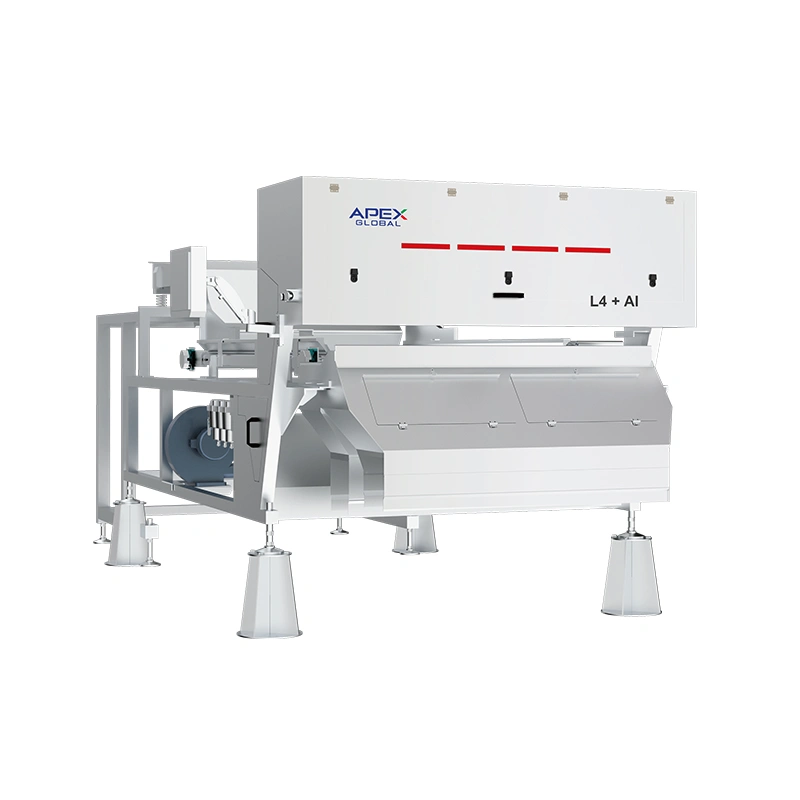
APEX Food Conveyor Belt Sorting Machine for Corn Maize Soybean
-
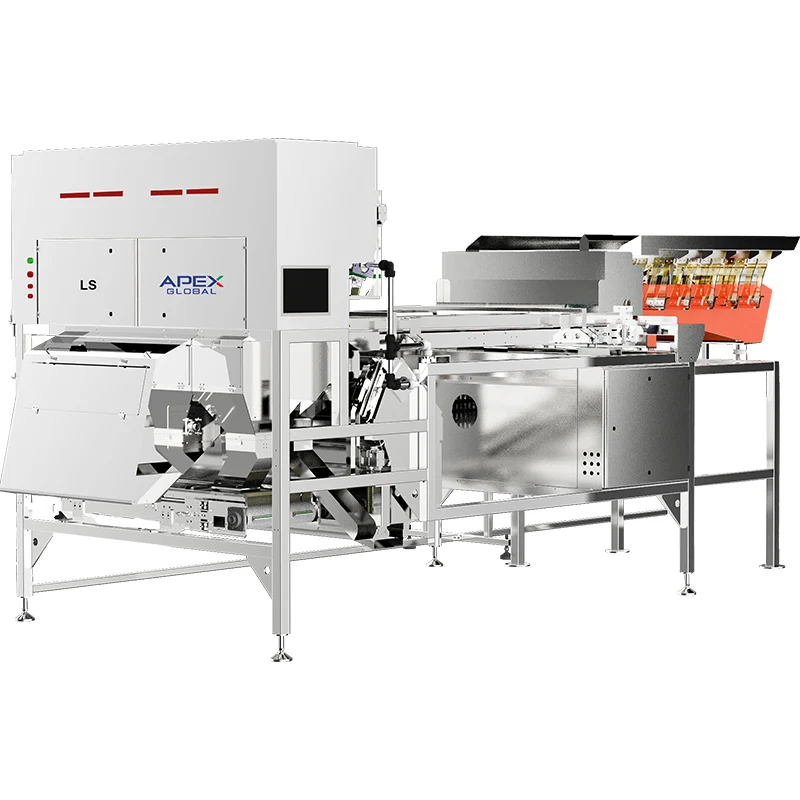
APEX High-Speed Conveyor Belt Sorter For Hazelnut Peanut Seed
-
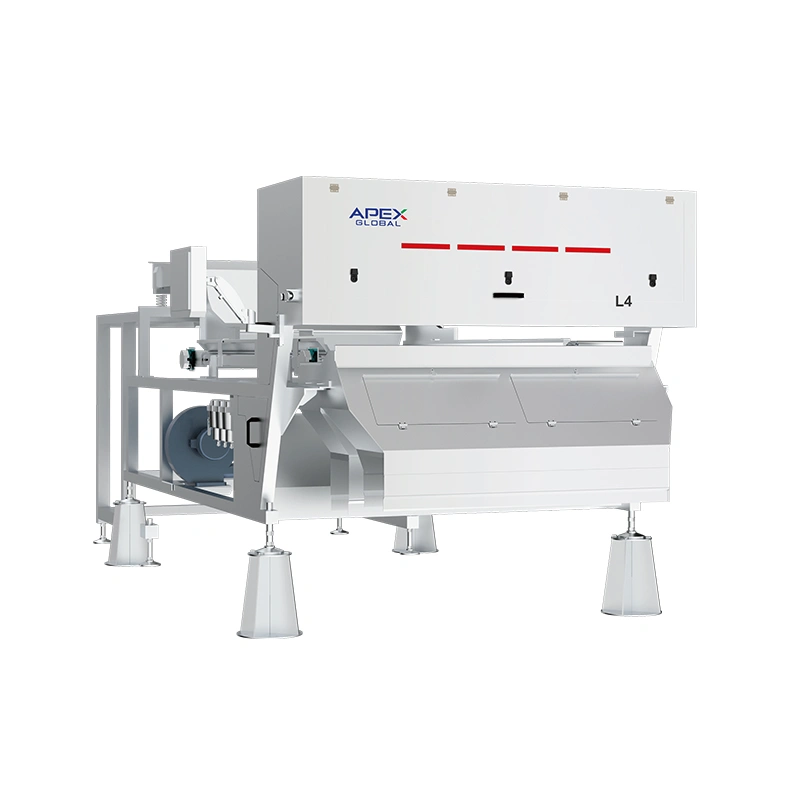
APEX Belt-Type Color Sorter for Grain Beans Pulses Raisin Pea Corn
-
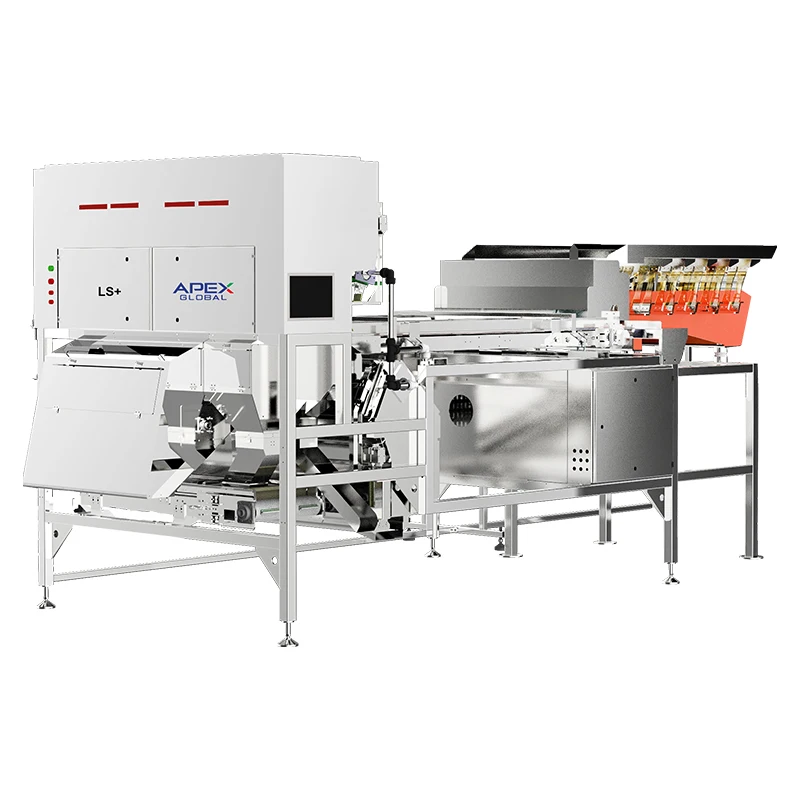
APEX Walnut Sorting Machine for Pistachio Macadamia Pecan Almond
-
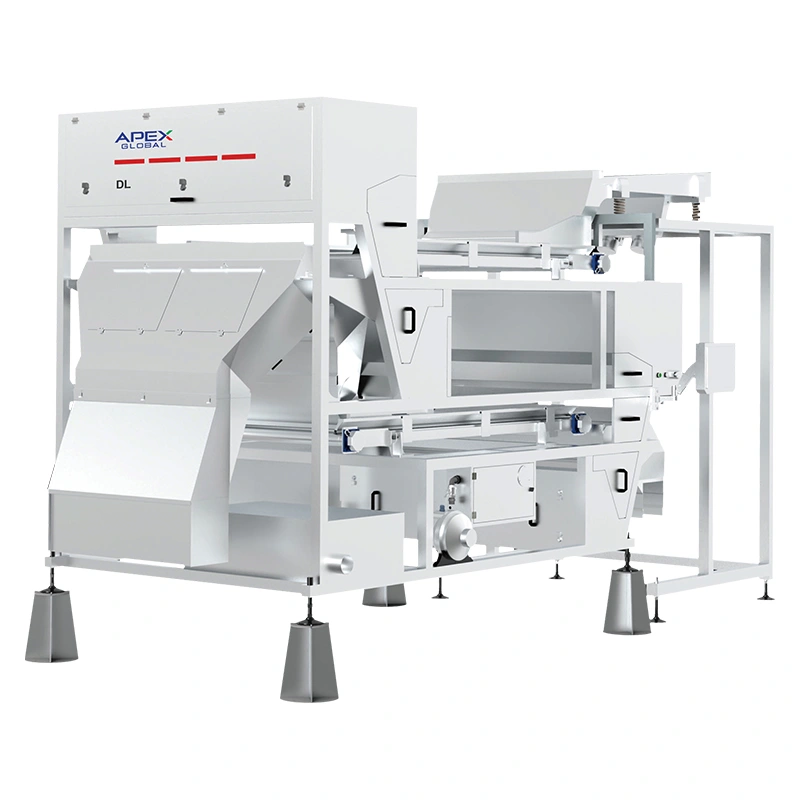
APEX Double-Layer Belt Sorter for Crop Wheat Impurity Removal
-
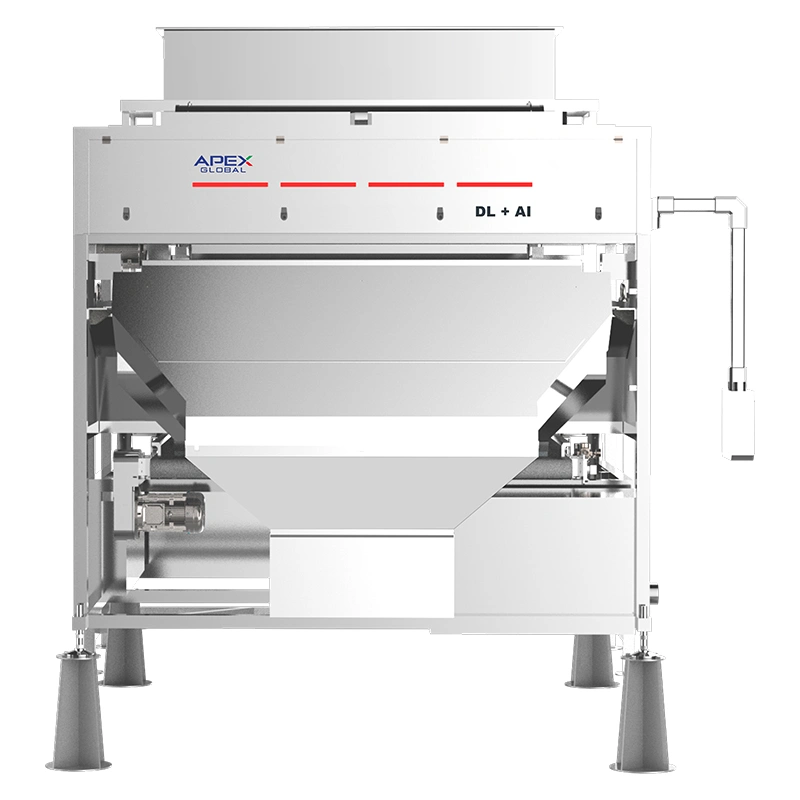
APEX AI Food-Grade Double Belt Optical Sorter for Pepper Chilli
-
APEX Low-Breakage Fragile Nut Sorter for Cashew Nut Almond Kernel
-
APEX Belt Low-Breakage Grain Sorter for Fragile Coarse Cereals