






Which Coffee Bean Defects Can a Color Sorter Detect?
Release time: 2026-11-10
Table of Contents
Coffee quality is affected by more than bean color. Immaturity, abnormal fermentation, insect damage, mechanical breakage, and processing defects can all influence raw material grades and batch consistency.
For coffee processors, understanding which defects an optical coffee sorter can identify, and which require additional inspection methods, is essential when designing a practical sorting process.
Common Defects Found in Coffee Beans
Coffee bean defects can originate during harvesting, processing, drying, transportation, and storage. Their visual characteristics vary, so sorting equipment must be evaluated against the specific defects found in the intended raw material.
1. Immature Beans
Immature coffee beans may differ from fully developed beans in color, texture, or general appearance. Some appear noticeably pale or have an unusual surface condition that creates a visual contrast.
If these beans remain in the accepted product, they may affect batch uniformity. However, the appearance of immature beans varies with coffee variety, origin, and processing method. They do not all share one consistent color pattern.
2. Over-Fermented or Discolored Beans
Poorly controlled fermentation or drying conditions can cause abnormal coloration. Some beans may become unusually dark, yellowish, or uneven in color.
Optical sorting can be useful when these defects create clear visual differences. However, changes that primarily affect aroma, flavor, or internal chemical composition cannot be fully assessed through appearance alone.
3. Broken and Mechanically Damaged Beans
Coffee beans may be damaged during hulling, conveying, screening, and packaging. Mechanical impact and friction can produce broken edges or incomplete bean shapes.
Clearly broken beans often have visual characteristics that distinguish them from intact beans. Very small fragments, however, may require attention to feeding conditions and machine configuration.
4. Insect-Damaged Beans
Insect damage may leave visible holes, surface marks, localized discoloration, or other irregularities.
When damage is visible on the bean surface, optical sorting may identify and reject the affected beans. Internal insect damage or damage without noticeable external signs can be more difficult to detect through conventional color inspection.
5. Mold-Affected and Severely Discolored Beans
Unsuitable storage conditions and poor moisture control can increase the risk of mold development. Some affected beans may show unusual spots, surface changes, or abnormal coloration.
A color sorter can target beans with visible abnormalities, but appearance alone cannot confirm every form of fungal contamination. Optical sorting should not be treated as a replacement for laboratory testing or food safety assessment.
6. Discolored Foreign Materials
Coffee processing lines may contain foreign particles, including plant residues, stones and other non-coffee materials. Some have colors or shapes that differ significantly from the coffee beans.
Optical sorting can help separate foreign materials when their visual characteristics provide sufficient contrast. Materials with similar colors or unusual sizes may require additional screening, aspiration, or other separation equipment.
Comparing Optical Sorting Suitability Across Defect Types
| Defect Type | Typical Visual Characteristics | Optical Sorting Suitability | Important Consideration |
|---|---|---|---|
| Immature beans | Pale color or appearance differences | Depends on visible contrast | Varies by variety and processing method |
| Abnormally fermented beans | Dark, yellowish, or uneven coloration | Suitable for clearly discolored beans | Cannot directly evaluate flavor or odor |
| Broken beans | Incomplete shape and irregular edges | Suitable for visible breakage | Small fragments may require special attention |
| Insect-damaged beans | Holes, surface marks, localized discoloration | Suitable for visible damage | Internal damage may be difficult to detect |
| Mold-affected beans | Spots, discoloration, or surface changes | May identify visible abnormalities | Cannot replace mold testing |
| Foreign materials | Different color or shape | Suitable when visual contrast is sufficient | Similar-looking materials may need other methods |
Watch Green Coffee Bean Sorting Video: Remove Insect Damage, Twigs and Stones
This short demo shows APEX coffee bean color sorter handling raw green coffee beans mixed with common field impurities: insect-damaged beans, twigs, husks and small stones.
These are typical visible defects that optical sorting can reliably separate from good beans. The sorter runs customized parameters to separate qualified green coffee out and discharge defective materials through the reject outlet.
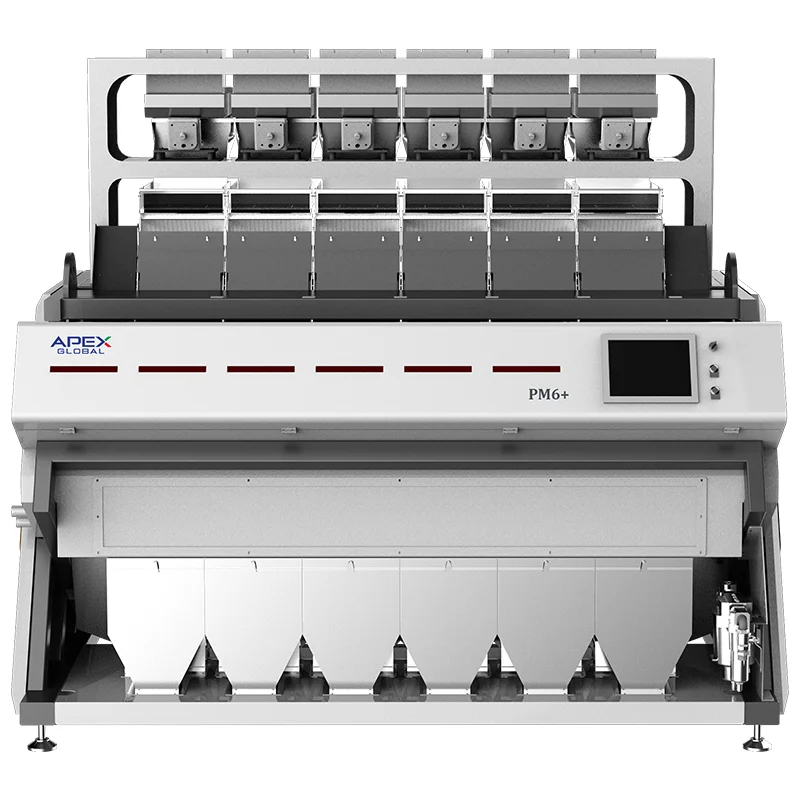
Our A+AI high-capacity coffee sorter is built for large-scale green coffee processing and export lines. Send your green coffee samples for a free sorting test to check performance against your defect standard.
Why Should Buyers Look Beyond a Defect List?
A supplier’s defect list can help buyers understand the intended applications of a machine. However, actual detection performance depends on the characteristics of the raw material.
Consider insect-damaged beans. Some have obvious holes on the surface, while others may mainly show internal damage. If a defect does not create a visible difference, conventional color imaging may not reliably separate it.
Before purchasing equipment, processors should clarify:
- Which specific defects must be removed?
- How do these defects appear in the actual raw material?
- Is there a visible difference between normal and defective beans?
- What level of acceptable-bean rejection can the plant tolerate?
- Are screening, aspiration, or additional inspection systems required?
How to Develop a Sorting Plan for Different Coffee Defects
Prepare Representative Samples
A useful sample set should contain normal beans, typical defective beans, and borderline examples that look similar to acceptable beans. Testing only a few obviously discolored beans is not enough to evaluate performance on a complex raw material batch.
Translate Quality Requirements into Sorting Criteria
Processors should define which defects must be removed and which natural variations are acceptable. Quality standards differ among buyers and processing plants, so another facility’s settings should not automatically be adopted.
Evaluate Rejection Performance and Good-Bean Loss
Sorting is not simply about removing as many beans as possible. Excessively strict settings may reject a significant number of acceptable beans, reducing raw material yield.
Testing should therefore evaluate both defect removal and the retention of acceptable beans, rather than focusing only on the amount of material collected in the reject outlet.
Watch Roasted Coffee Sorting Video: Separate Corn and Under-Roasted Impurities
This full demo shows our sorter working on finished roasted coffee batches. It automatically detects and rejects off-spec contaminants such as corn kernels, residual green beans and discolored under-roasted beans in one pass.
Stable sorting accuracy helps small roasters maintain consistent coffee grade and cut manual picking labor. The compact M32 coffee bean sorter is well suited for small-batch roasted coffee production.
If you are a coffee roaster and need to remove mixed impurities from roasted beans, contact us to arrange a sample test with your own roasted coffee.
Selecting Coffee Sorting Equipment for Your Application
Different coffee bean defects place different demands on an optical inspection system. Processors should select equipment according to raw material type, target defects, throughput requirements, and quality standards. Sample testing is the practical way to validate the proposed sorting solution.
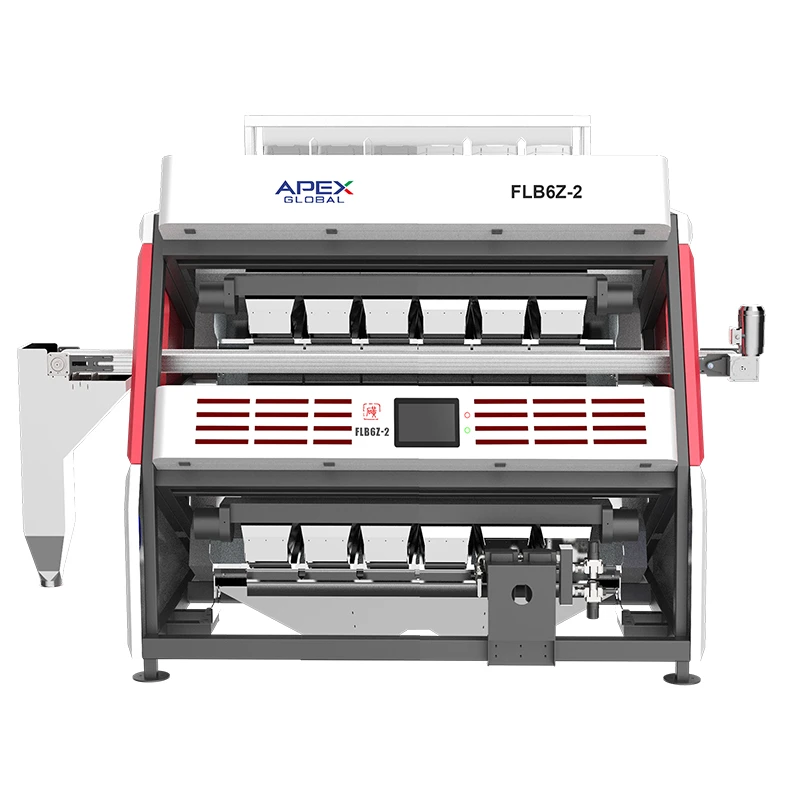
APEX offers coffee sorting equipment for green and roasted coffee bean applications. Processors can evaluate suitable configurations based on their raw materials and specific defect categories.
Explore the Coffee Color Sorter Machine range or contact APEX to discuss sample testing and equipment selection.
Frequently Asked Questions
Which coffee bean defects are easiest for a color sorter to identify?
Defects with clear visual differences are generally more suitable, including obvious discoloration, visible surface damage, broken beans, and foreign materials with contrasting colors. Actual performance depends on the machine configuration and raw material.
Can a color sorter identify immature coffee beans?
It may identify immature beans when they have sufficient color or appearance differences from normal beans. Testing should use samples from the relevant origin and variety.
Can a coffee color sorter detect internal bean defects?
Conventional visible-light sorting primarily identifies external visual characteristics. Internal damage or chemical changes should not be assumed to be detectable without additional inspection technology.
Can a color sorter completely replace manual inspection?
No. A color sorter can handle continuous, high-volume visual separation, but raw material sampling, quality control, and food safety testing remain important.