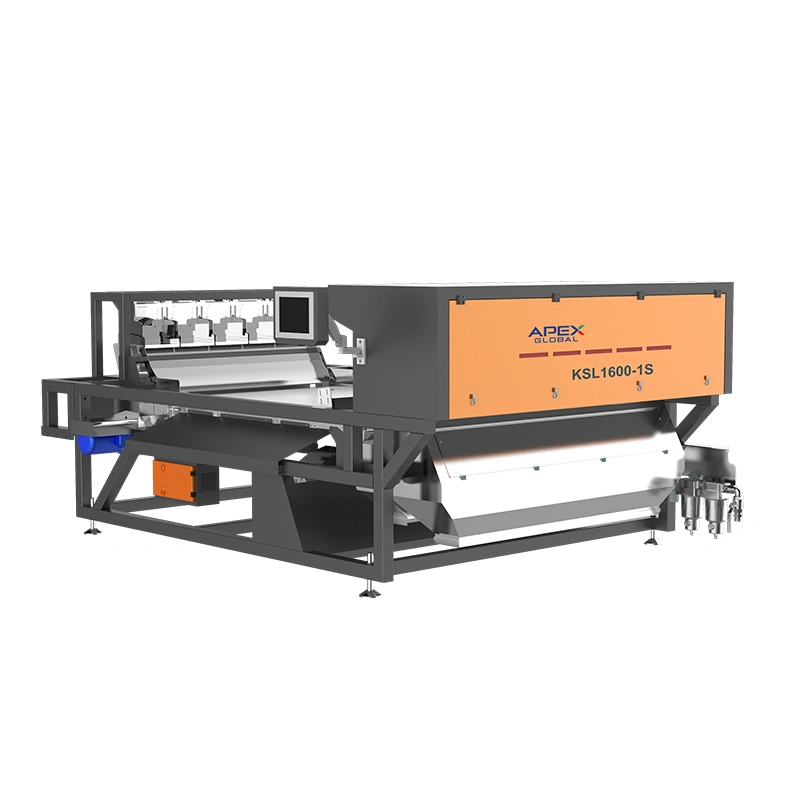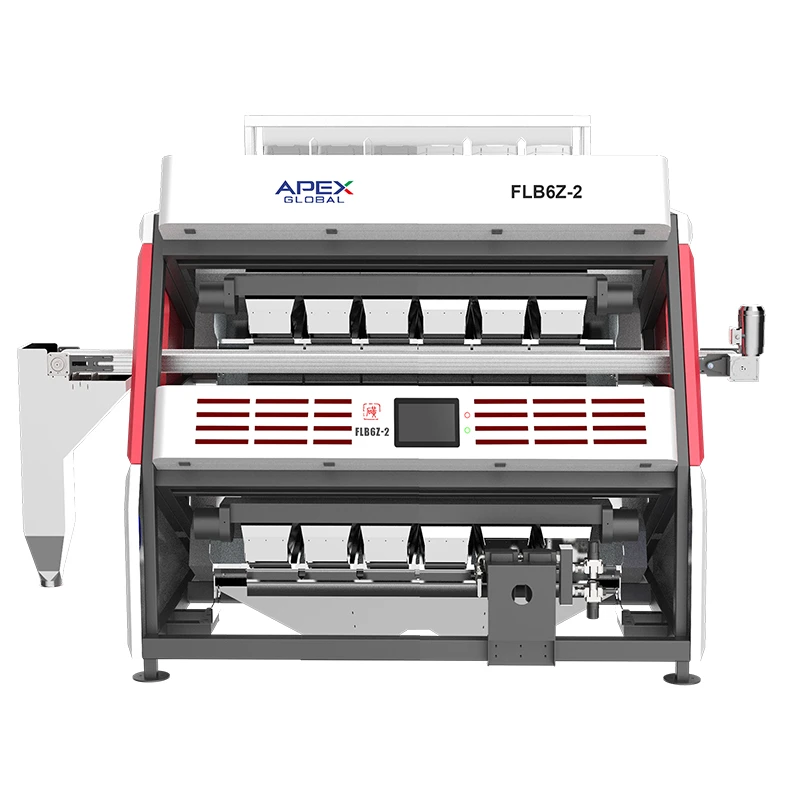








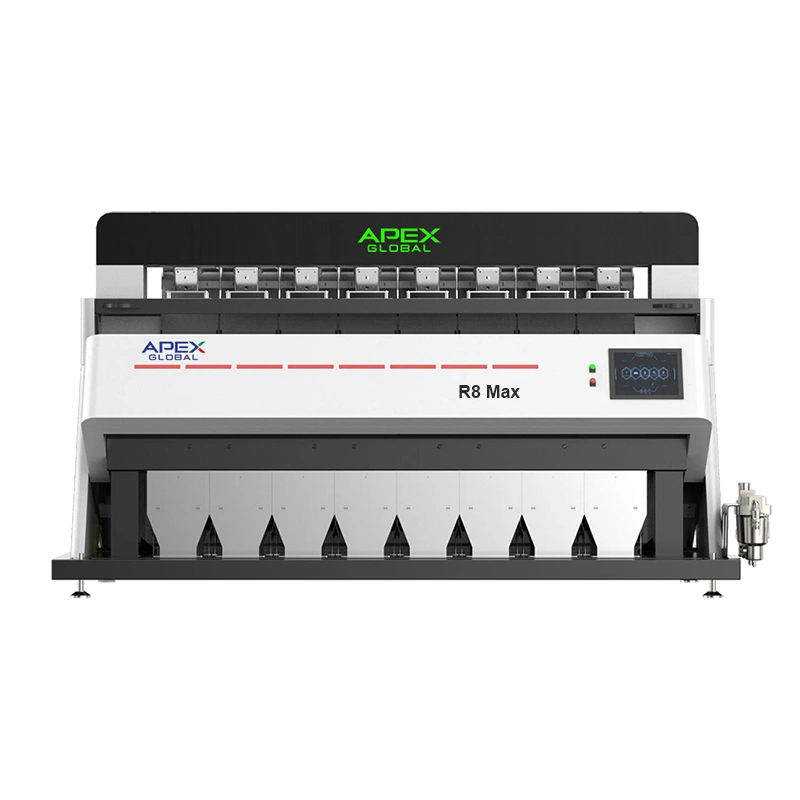
How Does a Rice Color Sorter Improve Rice Quality and Processing Efficiency?
Release time: 2026-10-12
Table of Contents
Rice processors need to maintain consistent grain appearance while removing defective kernels and unwanted materials from finished products. As production volumes grow, manual inspection becomes harder to standardize. A rice color sorter helps address this challenge by using optical detection and automated ejection to separate selected defects from acceptable rice.
However, sorting performance depends on more than camera specifications. Material preparation, grain presentation, defect characteristics, and machine settings all affect the final result.
Why Is Rice Color Sorting Important?
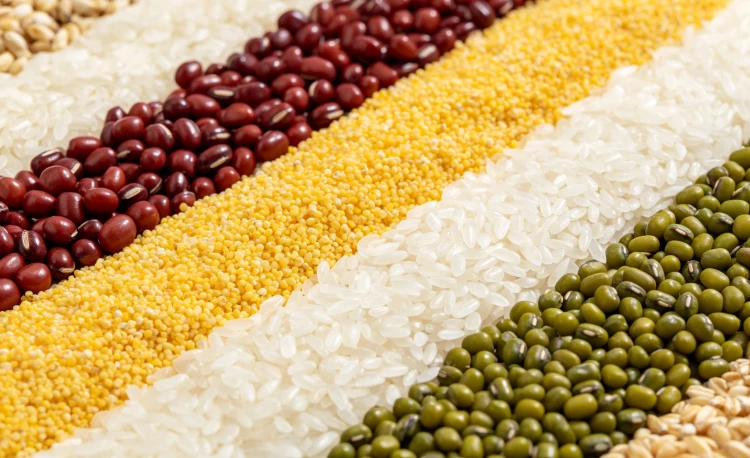
Rice quality is judged by several factors, including grain appearance, color consistency, the presence of defective kernels, and unwanted foreign materials. Yellowed grains, black-spotted kernels, and other visibly discolored particles can reduce the visual uniformity of a batch. For processors supplying different grades or export markets, inconsistent sorting can also create additional quality-control work.
Manual inspection may be suitable for small batches or targeted checks, but maintaining consistent inspection across a continuous production line is difficult. Fatigue, operator experience, and changing working conditions can influence which defects are identified.
A rice color sorter provides repeatable optical inspection during production. It can help rice mills remove targeted defects more consistently, reduce dependence on continuous manual picking, and maintain a more uniform finished product. It should complement upstream cleaning and milling rather than replace every other separation process.
How Does a Rice Color Sorter Work?
A rice color sorting machine inspects individual kernels and separates selected defects through a controlled optical sorting process.
Uniform Feeding
Rice enters the feeding system and is distributed for stable inspection.
Optical Detection
Cameras inspect grain appearance under controlled lighting conditions.
Defect Classification
The control system compares detected characteristics with configured sorting criteria.
Automatic Ejection
Timed compressed-air jets divert targeted defects into a separate outlet.
A rice color sorting machine typically combines a feeding system, optical detection, image processing, a control system, and pneumatic ejection. The precise configuration varies by model, but the main operating stages are similar.
- Feeding and distribution: Rice enters the machine and moves through a feeding system designed to distribute kernels evenly.
- Optical inspection: Cameras inspect the moving grains under controlled lighting.
- Defect classification: The control system evaluates detected visual characteristics against the selected sorting criteria.
- Targeted ejection: When a kernel meets the rejection criteria, a timed burst of compressed air diverts it into a separate outlet.
- Product collection: Accepted rice continues to the finished-product outlet, while rejected material is collected separately.
The relationship between these stages matters. Even a capable camera system can struggle if grains overlap or the feed rate is unstable. Accurate detection must be matched by reliable tracking and ejection timing.
What Defects Can a Rice Color Sorter Identify?
Actual detection depends on optical contrast, machine configuration, sample condition, and the selected sorting criteria.
Yellow or Discolored Kernels
Grains with visible color differences from the accepted rice product.
Black-Spotted Grains
Kernels with recognizable dark spots or visible surface discoloration.
Selected Chalky Kernels
Grains with detectable appearance differences, subject to system capability and settings.
Contrasting Particles
Selected foreign particles that the installed optical system can distinguish from rice.
A rice color sorter is primarily used to distinguish target kernels or particles through visible optical differences. Depending on the machine configuration and sorting program, typical targets may include:
- Yellow or discolored rice: Kernels whose color differs from the accepted product standard.
- Black-spotted or visibly damaged kernels: Grains with recognizable dark spots or surface discoloration.
- Chalky or abnormal-looking grains: Selected kernels with visible appearance differences, depending on the inspection system and configured criteria.
- Contrasting foreign materials: Certain unwanted particles that can be distinguished optically from the target rice.
Not every defect can be identified reliably by color alone. Materials that look similar to acceptable rice, defects hidden from the camera, or contaminants outside the machine’s detection capability may require other inspection or separation technologies. Processors should test representative samples before deciding which defects a particular machine can handle.
How Does Optical Sorting Improve Processing Efficiency?
A rice color sorter supports production efficiency by standardizing a specific quality-control task. Instead of relying entirely on operators to inspect a moving stream, the system evaluates material continuously and applies programmed rejection criteria.
The main operational benefits include:
- More consistent inspection: Automated detection applies the configured sorting criteria throughout a production run.
- Reduced manual sorting workload: Operators can focus more on process supervision, quality checks, and exception handling.
- Improved product appearance: Removing selected discolored kernels can help produce a more visually uniform batch.
- Better process control: Operators can adjust sorting settings according to the incoming material and the required finished-product grade.
Efficiency should not be measured by throughput alone. If a machine removes too many acceptable kernels, product yield can suffer. If the rejection threshold is too lenient, more defects may remain in the accepted rice. A practical evaluation therefore considers both finished-product purity and the amount of good rice lost during sorting.
Rice Color Sorting vs. Manual Sorting
The practical differences depend on production volume, defect type, operator workflow, and the selected machine configuration.
| Evaluation Factor | Manual Sorting | Optical Rice Sorting |
|---|---|---|
| Detection | Human visual inspection | Camera-based optical inspection |
| Consistency | May vary with operator and working conditions | Applies configured sorting criteria automatically |
| Continuous Processing | Depends on staffing and workflow | Designed for continuous processing within rated capacity |
| Labor | Requires personnel for visual picking | Reduces dependence on continuous manual inspection |
| Quality Verification | Requires sampling and inspection | Still requires sampling and output-quality checks |
Manual sorting and optical sorting serve different operational needs. Manual inspection remains useful for sampling and detailed checks, while an automated rice sorting machine is better suited to continuous inspection in a production line.
| Evaluation factor | Manual sorting | Optical rice sorting |
|---|---|---|
| Inspection method | Human visual inspection | Camera-based optical detection |
| Consistency | Can vary with operator and working conditions | Applies configured criteria automatically |
| Continuous processing | Requires sufficient staffing and workflow management | Designed for continuous material flow within its rated capacity |
| Labor requirements | Depends heavily on manual inspection | Reduces dependence on continuous manual picking |
| Defect handling | Depends on what the operator can see and remove | Depends on optical contrast, system configuration, and ejection performance |
| Quality verification | Requires manual sampling and checks | Still requires sampling and output-quality verification |
Neither approach removes the need for quality control. Automated sorting changes how defects are identified and separated, but the finished product still needs to be checked against the processor’s quality requirements.
What Factors Affect Rice Color Sorter Performance?
Several factors influence real-world sorting results.
1. Feed uniformity
The feeding system needs to distribute rice consistently. Overlapping grains or irregular flow can reduce the optical system’s ability to inspect individual kernels accurately.
2. Defect characteristics
Defects with strong color contrast are generally easier to distinguish than subtle differences. The actual result depends on the target defect, lighting, camera system, and configured sorting criteria.
3. Sorting sensitivity
More aggressive rejection settings may remove additional defective grains, but they can also increase the rejection of acceptable rice. Settings should be adjusted against measured output quality and product loss.
4. Compressed-air and ejector performance
The ejection system must respond at the correct time and divert the intended particles. Unstable air supply, contaminated compressed air, or poorly maintained valves can affect separation reliability.
5. Maintenance and calibration
Clean optical windows, stable lighting, correctly maintained feeding channels, and regular checks help maintain consistent operation. Maintenance procedures should follow the equipment manufacturer’s instructions.
How Should Rice Mills Choose a Rice Color Sorting Machine?
Before purchasing a rice color sorter, processors should define their actual production requirements rather than compare specifications in isolation.
- Identify the target rice: Specify the rice variety, grain condition, and expected incoming-material variability.
- List the defects to remove: Distinguish color defects from foreign materials or defects that may need other detection technologies.
- Set output-quality requirements: Define acceptable residual defects and the maximum tolerable loss of good rice.
- Confirm required throughput: Evaluate the machine against the actual production line and material condition, not a headline capacity alone.
- Request sample testing: Use representative rice samples and review both accepted and rejected outputs.
- Check operating requirements: Confirm installation space, compressed-air supply, cleaning access, operator training, and after-sales support.
APEX Sorting offers rice sorting equipment for rice-processing applications, including systems with CCD visual sorting and optional AI-based upgrades on selected models. Buyers should confirm the exact configuration and performance against their material and quality targets before choosing a machine.
Conclusion
A rice color sorter can improve rice quality control by identifying selected discolored kernels and other optically distinguishable defects, then separating them through automated ejection. Its practical value depends on stable feeding, suitable detection technology, correct settings, and effective maintenance.
For rice mills, the right rice color sorting machine is not simply the one with the most advanced-sounding specifications. It is the system that consistently meets the required output quality while protecting good-product yield under real production conditions.
To evaluate a suitable configuration, explore the APEX Sorting Rice Color Sorter range and discuss your rice type, target defects, throughput, and finished-product requirements with the equipment supplier.
Frequently Asked Questions About Rice Color Sorters
Find answers to common questions about rice color sorting, defect removal, equipment selection, and processing performance.
What is a rice color sorter?
A rice color sorter is an optical sorting machine that identifies and separates selected defective rice kernels or contrasting foreign particles based on their visual characteristics. It helps rice processors improve product appearance and sorting consistency.
How does a rice color sorting machine remove yellow rice?
The machine inspects rice under controlled lighting and identifies kernels that match the configured rejection criteria. A timed burst of compressed air then diverts the selected kernels into a reject outlet.
Can a rice color sorter remove black-spotted grains?
It can remove selected black-spotted or discolored grains when their optical characteristics are distinguishable by the installed system. Results depend on defect visibility, machine configuration, and sorting settings.
Does a rice color sorter replace cleaning equipment?
No. A rice color sorter complements other processing stages such as screening, destoning, husking, and milling. Each process addresses different material characteristics, so the sorter should be integrated into the wider processing line.
What factors affect rice color sorter performance?
Performance depends on feed uniformity, defect visibility, optical configuration, sorting sensitivity, ejection reliability, maintenance, and the required output quality. Testing representative rice samples helps validate the machine for a specific application.
How should buyers choose a rice color sorter?
Buyers should compare target defects, required throughput, output purity, good-product loss, feeding stability, maintenance needs, and sample-test results. The selected configuration should be validated against actual production requirements.
APEX Sorting · Rice Processing
Looking for a Rice Color Sorting Solution?
Explore optical sorting equipment designed to help rice processors remove selected visible defects and maintain consistent product quality. The right configuration depends on your rice type, target defects, required throughput, and finished-product standards.
Request a solution based on your material characteristics and production requirements.