








How Do Optical Sorting Machines Improve Glass Separation and Recycling
Release time: 2026-09-30
Table of Contents
Glass recycling depends on more than simply collecting and crushing used glass. Once glass enters a recycling stream, the material may contain different colors, unwanted objects and contaminants that affect the quality of the recovered cullet.
A Glass Sorting Machine uses optical detection to identify differences between glass particles and automatically separate targeted materials. This allows recyclers to improve the consistency of recovered glass while reducing dependence on manual inspection.
For high-throughput recycling operations, automated optical sorting can become an important quality-control stage between material preparation and downstream glass processing.
Why Is Glass Separation Important in Recycling?
Recycled glass, commonly known as cullet, can be returned to glass manufacturing processes when it meets the required quality specifications. However, mixed glass streams are rarely uniform.
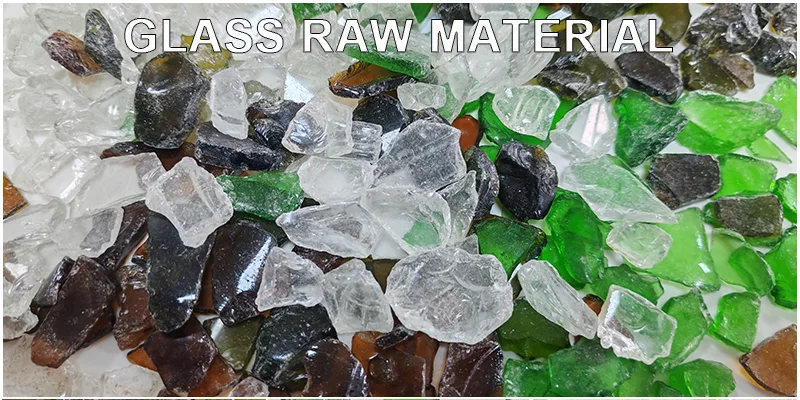
A recycling line may contain:
- Clear glass
- Green glass
- Amber or brown glass
- Mixed-color glass
- Ceramic or stone-like contaminants
- Metal or other non-glass materials
- Labels and other residual materials
The exact composition depends on the collection and processing system.
Color is particularly important in applications where different glass colors need to be separated. Non-glass contaminants are also a concern because they can reduce the quality of recovered cullet and create problems in downstream processing.
This makes reliable separation a central part of glass recycling efficiency.
How Does a Glass Sorting Machine Work?
How Optical Glass Sorting Works
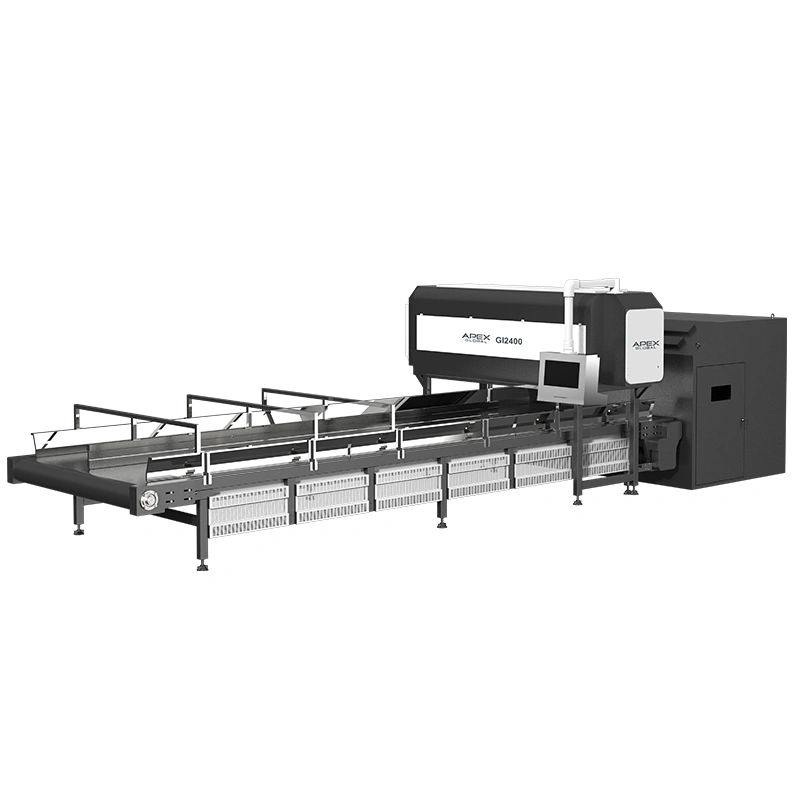
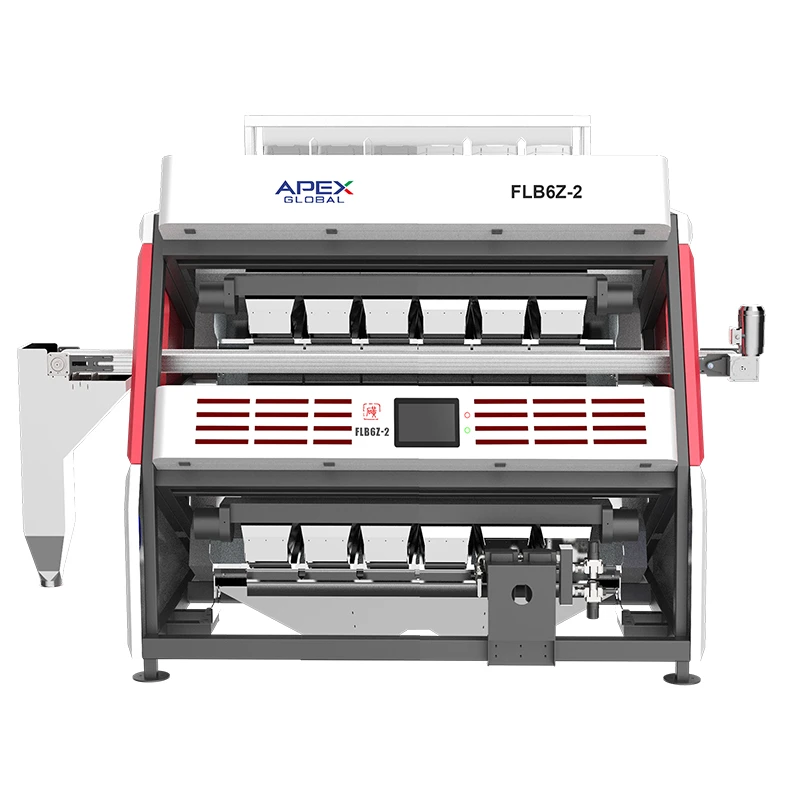
A glass sorting system combines controlled feeding, optical detection, classification and automatic rejection to separate targeted materials from the recovered glass stream.
Material Feeding
Recovered glass is prepared and distributed into a controlled material stream for optical inspection.
Optical Detection
Cameras and optical sensors identify differences in glass color, appearance and visible material characteristics.
Classification
Detected particles are compared with predefined sorting criteria to determine which materials should be accepted or rejected.
Automatic Ejection
The system activates the ejection mechanism to remove targeted particles from the desired glass stream.
A modern glass sorting machine combines controlled material feeding with optical detection and automatic ejection.
What Can Optical Glass Sorting Separate?
Different Glass Colors
Optical recognition can distinguish glass particles with different visible characteristics, helping recyclers separate mixed-color cullet into more consistent material streams.
- Clear glass
- Green glass
- Amber or brown glass
- Mixed-color glass
Non-Glass Contaminants
Certain unwanted materials can also be identified when their optical characteristics differ sufficiently from the target glass stream.
- Ceramic particles
- Stone-like contaminants
- Other visibly different materials
- Selected foreign objects
However, not every contaminant can be reliably separated through visible optical detection. Material testing is necessary when contamination has similar visual characteristics to the target glass.
How Does Optical Sorting Improve Glass Recycling Efficiency?
The value of automated sorting goes beyond simply replacing manual inspection.
More Consistent Cullet Quality
A controlled optical sorting process can continuously apply the same sorting criteria to the material stream.
This helps recyclers produce a more consistent output when incoming glass contains varying colors and contamination levels.
Reduced Manual Sorting
Manual inspection becomes increasingly difficult as throughput rises.
Workers may struggle to maintain consistent attention when inspecting thousands of particles over long periods. Automated sorting provides continuous detection and ejection without relying on visual inspection of each individual piece.
Higher Processing Throughput
Optical sorting machines are designed to process material continuously.
When integrated correctly into a recycling line, they can handle large material streams while maintaining automated separation.
Better Recovery of Recyclable Material
Effective separation can help distinguish valuable glass from unwanted materials rather than treating an entire mixed stream as contaminated.
This is especially important when the incoming material contains a significant amount of recoverable glass alongside a smaller quantity of unwanted particles.
Glass Sorting vs. Manual Separation
Manual sorting still has a role in certain recycling operations, but optical sorting provides advantages when processing volume and consistency become important.
| Factor | Manual Glass Sorting | Optical Glass Sorting |
|---|---|---|
| Detection method | Human visual inspection | Optical sensors and machine vision |
| Processing speed | Limited by labor | Continuous automated processing |
| Sorting consistency | Can vary with operator | Consistent programmed criteria |
| Labor requirement | High | Lower for automated separation |
| High-volume processing | More difficult to scale | Better suited to continuous lines |
| Color separation | Possible | Automated color recognition |
| Contaminant removal | Operator dependent | Automated optical rejection |
The right configuration depends on the required product quality, throughput and feed composition.
What Factors Affect Glass Sorting Performance?
Installing a machine is only one part of achieving reliable separation. Material preparation and system configuration also matter.
Important factors include:
Particle size: Oversized or undersized material may fall outside the machine’s optimal operating range.
Material presentation: Particles need to be presented clearly enough for the optical system to inspect them.
Glass color: The optical contrast between target categories affects identification.
Contamination type: Contaminants with strong visual differences are generally easier to identify than materials with similar optical characteristics.
Feed consistency: Excessive overlap between particles can make detection more difficult.
Throughput requirements: Higher capacity requirements may influence machine configuration and the number of sorting stages.
Required purity: A demanding final product specification may require multiple separation steps rather than a single optical sorter.
Where Should a Glass Sorting Machine Be Used?
A Glass Sorting Machine can be integrated into glass recycling lines after appropriate material preparation and before downstream processing stages where cleaner cullet is required.
The exact position depends on the incoming material and the overall process design.
For example, one line may use crushing and screening before optical color separation, while another may require additional contaminant-removal stages depending on the composition of the collected glass.
The important point is that optical sorting should be designed around the entire material flow rather than treated as an isolated machine purchase.
How Should Recyclers Choose a Glass Cullet Sorting Machine?
Buyers should evaluate the actual feed material rather than relying only on catalogue specifications.
Before selecting a Glass Cullet Sorting Machine, consider:
- What glass colors are present?
- What contaminants need to be removed?
- What particle-size range will enter the sorter?
- What throughput is required?
- Is the primary goal color separation or contaminant removal?
- What purity level is required for the final cullet?
- Can the supplier test representative samples?
- How will the machine integrate with existing crushing, screening and conveying equipment?
Sample testing is particularly important because glass recycling streams can vary significantly between collection systems and processing plants.
On-site Glass Cullet Sorting Operation Video
Watch on-site test video of APEX glass cullet optical sorter processing mixed waste glass.
In this footage, you can see how the machine automatically separates mixed-color glass fragments and removes stones, ceramics and other non-glass contaminants from the glass stream.
Our vertical dry glass sorting machine is engineered for dry crushed waste glass, delivering stable high-purity cullet output for recycling plants.
Note: This model works only for dry glass. If you need to sort wet glass materials, please check our wet-dry dual-purpose belt type sorting solution.
Submit your material sample to us for a free sorting test to verify performance for your project.
Conclusion
Optical sorting can make glass recycling more consistent by automating the identification and separation of different glass colors and selected contaminants.
A Glass Sorting Machine combines controlled material presentation, optical detection, classification and automatic ejection to process glass at industrial scale without relying entirely on manual inspection.
For recyclers, the biggest consideration is not simply machine speed. The sorting technology must match the actual glass stream, particle size, contamination profile and required cullet quality.
When correctly integrated into a recycling line, optical glass sorting can provide a practical way to improve separation efficiency, reduce manual workload and produce more consistent recovered glass.
Frequently Asked Questions About Glass Sorting Machines
Here are answers to common questions about glass sorting machines, optical glass sorting, glass cullet separation, and glass recycling applications.
What is a glass sorting machine?
A glass sorting machine is an automated optical sorting system designed to identify and separate glass materials according to characteristics such as color, appearance, and selected foreign contaminants. In glass recycling, it can process glass cullet continuously and improve the consistency of recovered glass compared with manual sorting.
How does a glass sorting machine work?
A glass sorting machine typically uses optical detection, machine vision, or CCD technology to inspect glass materials as they pass through the sorting system. The equipment analyzes the visual characteristics of each piece, classifies the material according to programmed sorting criteria, and activates an automatic ejection system to remove targeted glass or contaminants.
What types of glass can optical sorting machines separate?
Optical glass sorting machines can separate different glass colors and visually distinguishable materials. Typical applications include clear, green, amber, and mixed-color glass cullet. Depending on the sorting configuration, the machine can also remove selected non-glass contaminants such as ceramics, stones, and other foreign materials with different optical characteristics.
What is a glass cullet sorting machine used for?
A glass cullet sorting machine is used to improve the quality and consistency of recovered glass before it is reused in manufacturing or further recycling processes. It can help separate mixed-color cullet and remove selected contaminants, reducing the amount of unwanted material entering downstream glass processing.
Can a glass sorting machine separate different glass colors?
Yes. Optical glass sorting machines can be configured to identify and separate different glass colors, including clear, green, and amber glass. Color separation helps recyclers produce more consistent glass fractions and can improve the quality of recovered cullet for downstream applications.
Can optical sorting remove contaminants from glass?
Yes. Optical sorting can remove selected foreign materials that have sufficiently different visual or optical characteristics from the target glass. Depending on the system configuration, this may include ceramics, stones, and other visibly different contaminants. Actual separation performance depends on material composition, particle size, presentation, and the required output purity.
What are the advantages of optical glass sorting over manual sorting?
Optical glass sorting provides automated and consistent inspection of material at high processing volumes. Compared with manual sorting, it can reduce dependence on continuous visual inspection by operators, improve sorting consistency, and support more stable processing when large quantities of glass cullet need to be handled.
What factors affect glass sorting machine performance?
Glass sorting performance depends on factors such as feed material, particle size, glass color, material presentation, contamination level, conveyor or chute configuration, detection technology, and required output purity. Proper material preparation and application testing are important when selecting a glass sorting machine for a specific recycling process.
How should I choose a glass sorting machine for recycling?
When choosing a glass sorting machine, consider the type and color of glass, feed particle size, required throughput, target purity, contaminants that need to be removed, available installation space, and the required sorting technology. Application testing with representative glass samples can help determine whether the selected system can meet the required separation performance.
Improve Glass Recycling with APEX Sorting
APEX Sorting develops optical sorting solutions for glass and mineral applications, using machine vision and optical recognition technologies to identify target materials and automate separation.
For recycling operations processing mixed glass or glass cullet, a Glass Sorting Machine can provide a scalable approach to improving material separation and maintaining more consistent output quality.
Looking for an Optical Glass Sorting Solution?
APEX Sorting provides optical sorting machines for glass separation and other material sorting applications. Explore the glass sorting solution to learn more about available equipment and application options.
Explore Glass Sorting Machines