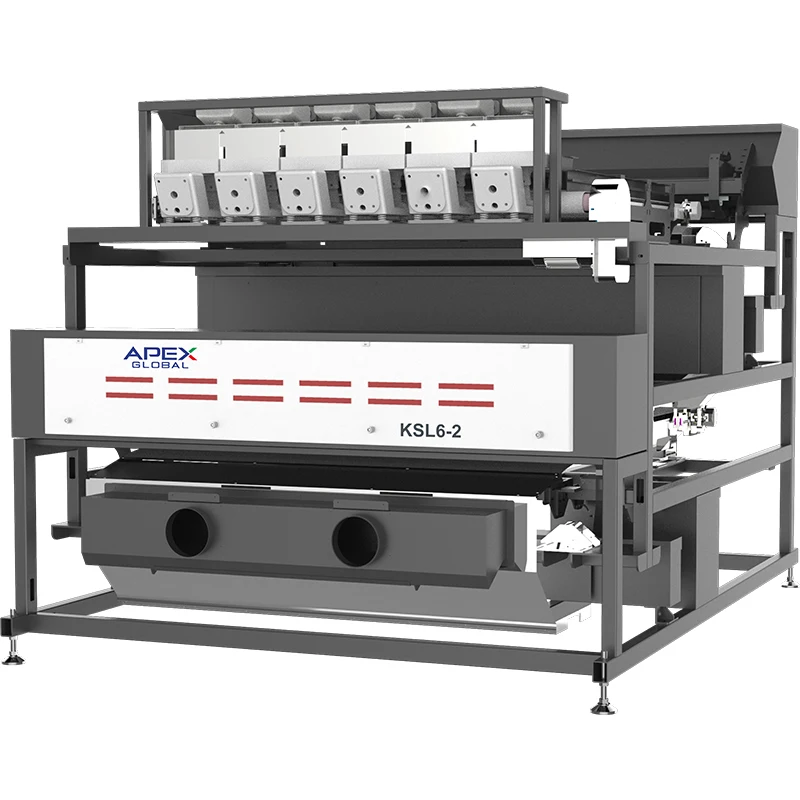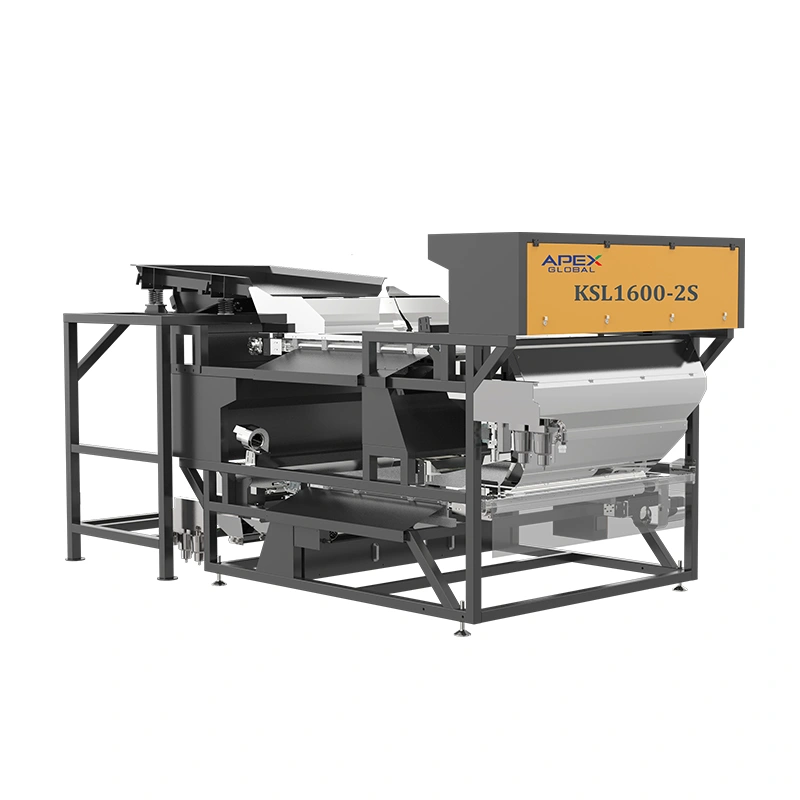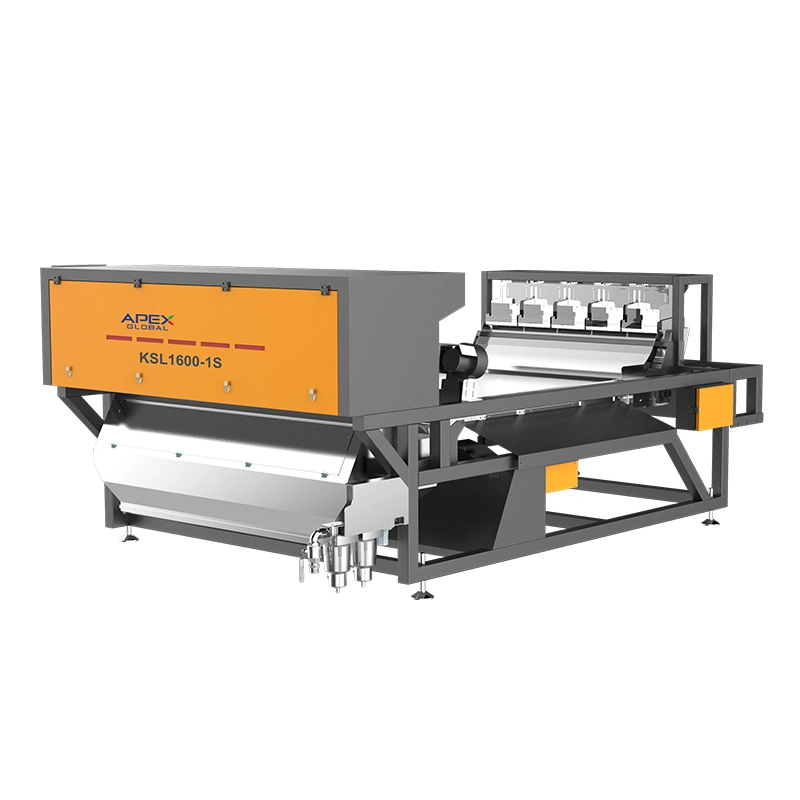








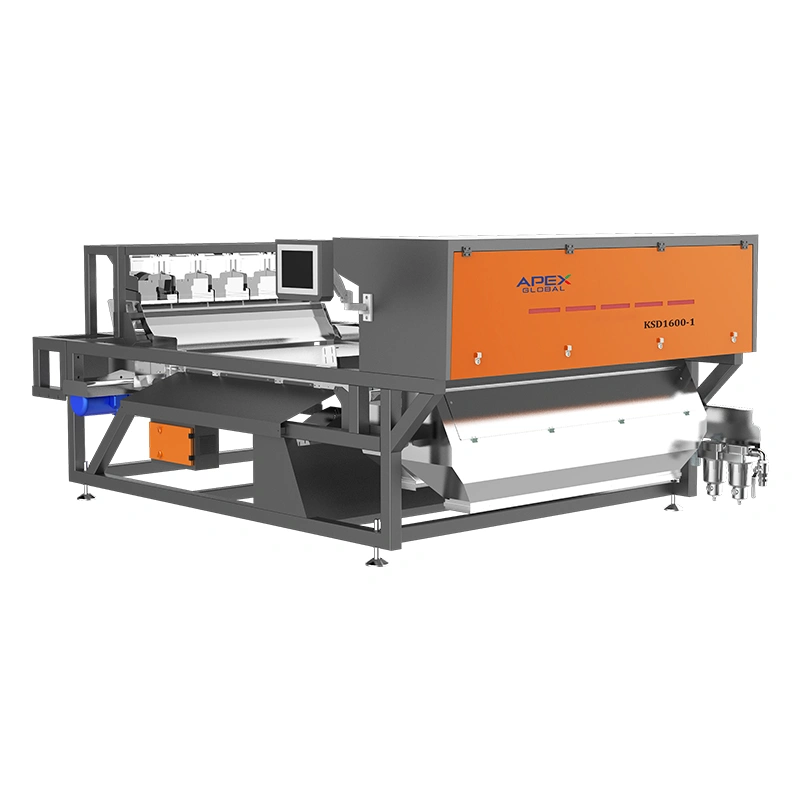
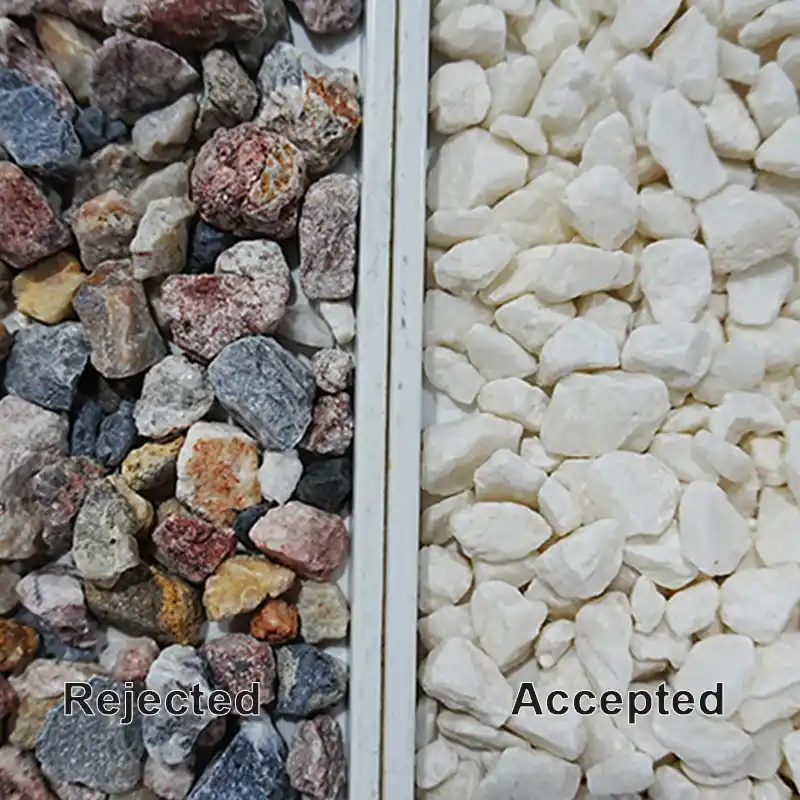
KSD-1 Series Heavy-Duty Belt Ore Sorter | Wet & Dry Available
Specs & Features: Wet & Dry Single Layer Sorting Machine for Large Lump Ore from 3-10cm
APEX Mineral Sorting Machine for Coal Nickel Manganese Chrome Ore
Key Advantages
- Ultra-Heavy Frame for Large Heavy Lump Bearing
- All-Terrain Wet & Dry Switchable Operation
- Custom Wide-Angle Large-Scale Detection Module
- Dedicated Stable Sorting for Oversized Lump Ore Upgrading
Products Center
Contact Us
- Phone: +86 18815515040
- Email: info@apexitec.com
- WhatsApp: +86 18815515040
- Address: No. 789 Mingchuan Road, Boyan Tech Park, Hefei, Anhui, China
Product Introduction
Features of APEX Mineral Sorting Machine
The KSD-1 is a heavy-duty single-layer mineral sorting machine featuring wet & dry dual-mode sorting, tailor-made for purification of oversized lump minerals sized 3–10 cm.
1. Ultra-Heavy Frame for Large Heavy Lump Bearing
Reinforced thickened frame and heavy-load belts deliver exceptional anti-impact performance, specially engineered to carry bulky, weighty irregular 3–10cm ore lumps without deformation or belt sagging.
2. All-Terrain Wet & Dry Switchable Operation
Supports one-click shift between dry stock ore sorting and post-wash damp lump processing. The wear-resistant, fully sealed body stands up to humid, dusty, corrosive open-pit mine working conditions.
3. Custom Wide-Angle Large-Scale Detection Module
Exclusive broad-range scanning optical system captures subtle color variations across extra-large ore surfaces, accurately picking out heterochromatic massive lumps, weathered inferior ore blocks, stained defective stones and mixed gangue.
4. Dedicated Stable Sorting for Oversized Lump Ore Upgrading
Custom buffer conveying structure eliminates heavy lump extrusion, violent material shake and component impact damage. It delivers steady, professional purification performance exclusively for production lines handling high-standard 3–10cm large lump mineral raw materials, a unique sorting solution unavailable on KSL series small-medium ore sorters.
Parameters of Wet And Dry Lump Ore Mineral Sorting Machine
| Model | KSD1600-1 |
| Capacity (t/h) | 30-100mm 20-50 |
| Voltage (v/Hz) | 380/50 |
| Power (kw) | 5.8 |
| Air pressure (Mpa) | 0.6-0.85 |
| Weight (kg) | 1930 |
| Dimension (mm) | 5555*2548*1704 |
Performance Comparison
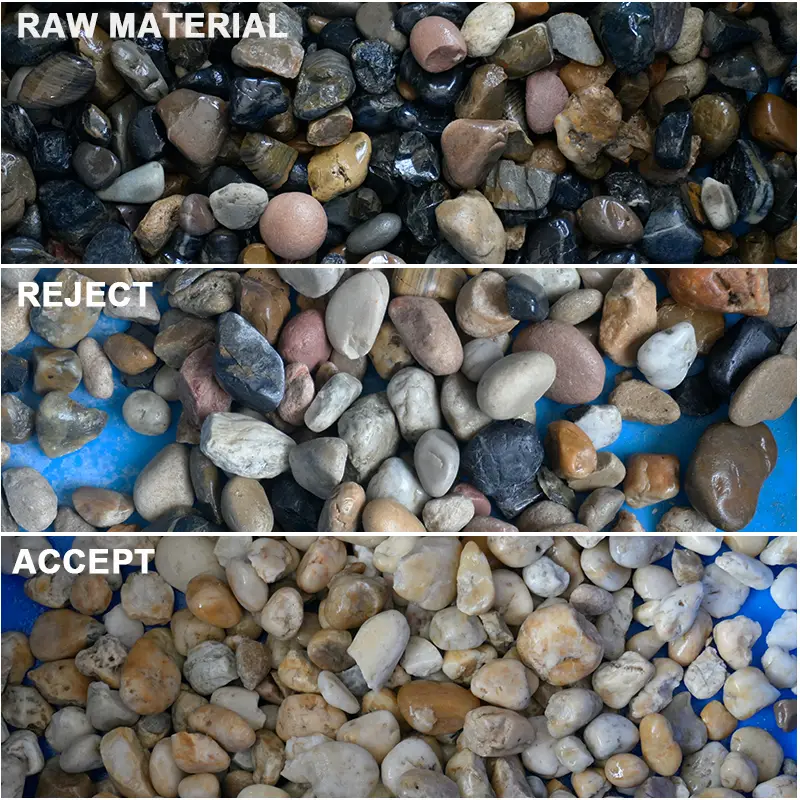
Large Pebble Sorting Test Result (3–10cm Oversized Bulk Lump)
Sorting Contrast Overview
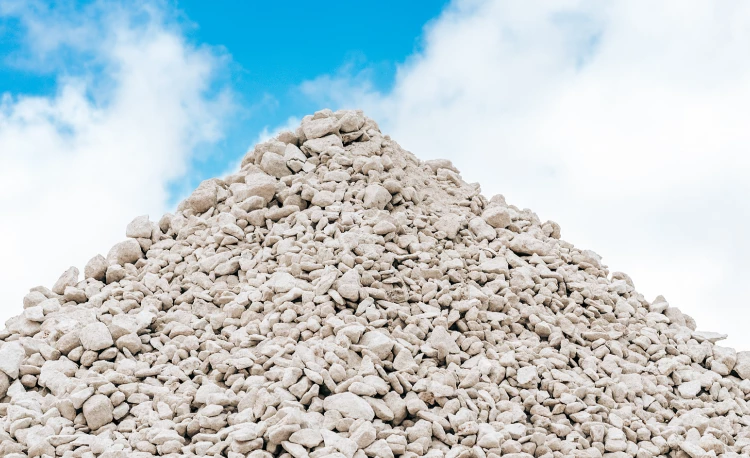
This graph shows 3 layers of pebble sorting effect treated by KSD-1 heavy-duty crawler sorter:
- RAW MATERIAL: Mixed bulk pebbles mixed with stained, discolored defective stones
- REJECT: Impure flawed pebbles automatically separated out
- ACCEPT: Uniform high-purity finished pebbles meeting aggregate standards
KSD-1 Unique Advantages for Big Lumps
Built with heavy load-bearing crawler and full-surface wide scanning system, it sorts 3–10cm large pebbles without crushing bulk stones. It works steadily for both dry and water-wet oversized lump aggregates.
Applicable Sorting Materials
KSD-1 heavy-duty mineral sorting machine targets oversized 3–10cm bulk lumps, supporting both dry stock stones and water-wet heavy ores without pre-screening.
Core Sortable Bulk Materials
1. Construction Aggregates: Large kaolin lumps, big pebbles, thick quartz blocks
2. Mine Bulk Ores: Silicon blocks, phosphate lumps, coal gangue, rare earth, manganese & lead-zinc oversized chunks
3. Recycled Bulk Waste: Thick glass blocks, bulky mixed metal scraps, large activated carbon lumps
Built with ultra-heavy bearing frame and wide-area scanning system, it avoids lump crushing and captures surface defects on large raw materials, exclusive for big aggregate and bulk mineral processing plants.
FAQS
-
Why is the internal feeding channel of the KSD-1 specially widened for 3–10 cm large ore lumps?
Equipped with an enlarged anti-blocking material guide structure, it effectively prevents accumulation and pipeline clogging of bulky, heavy ore lumps inside the equipment.
-
Is the heavy-duty crawler capable of sustaining continuous conveyance of 10 cm heavy ore lumps without structural deformation?
The crawler adopts thickened reinforced rubber embedded with steel wire frameworks, which withstands strong impact from heavy ores and avoids permanent deformation during long-period running.
-
Under which mining conditions should customers choose the KSD-1 large lump ore sorter rather than models from the KSL series?
It applies to open-pit mines that generate 3–10 cm oversized raw ores after primary coarse crushing, where preliminary waste rock removal is required at the front process.
-
Can the wide-angle optical scanning system of the KSD-1 achieve full surface coverage for large ore lumps?
Custom wide-field lenses are configured to identify color & texture distinctions over the entire exterior of lump ores completely, leaving no scanning blind zones.
We strictly control the production quality of each product and meticulously process every item.
Related Products